Safety

Garage Door Safety for Kids and Pets

By Emil Garage Doors · Published November 2, 2026 · 5 min read · Safety

Short answer

Keep remotes out of children's reach, mount the wall button at least 5 feet off the floor, never let anyone play "beat the door" and test the auto-reverse every month with a 2x4 on the floor. Keep hands clear of hinges and tracks, and stop using a door that is heavy or crooked.

The short list

A garage door is the largest moving object in most homes. DASMA, the Consumer Product Safety Commission (CPSC) and the National Safety Council say an improperly adjusted door or opener can exert deadly force when the door closes. Most of the habits that protect children cost nothing.

  • Store remotes and transmitters out of reach of children, for example in the car's glove compartment or a high shelf
  • Mount the push-button wall control at least 5 feet above the floor and away from moving parts
  • Never let anyone play "beat the door"
  • Do not stand or walk under a moving door
  • Test the reverse every month

Every day

  • Keep the door in sight until it has stopped moving, whether you use the button or the remote
  • Check that no child or pet is near the door before you close it
  • Keep toys, bikes and boxes out of the door's path
  • Do not let children use the remote as a toy

The wall button should be where you can clearly see the moving door. If it is in a spot you cannot see from, ask a technician to move it.

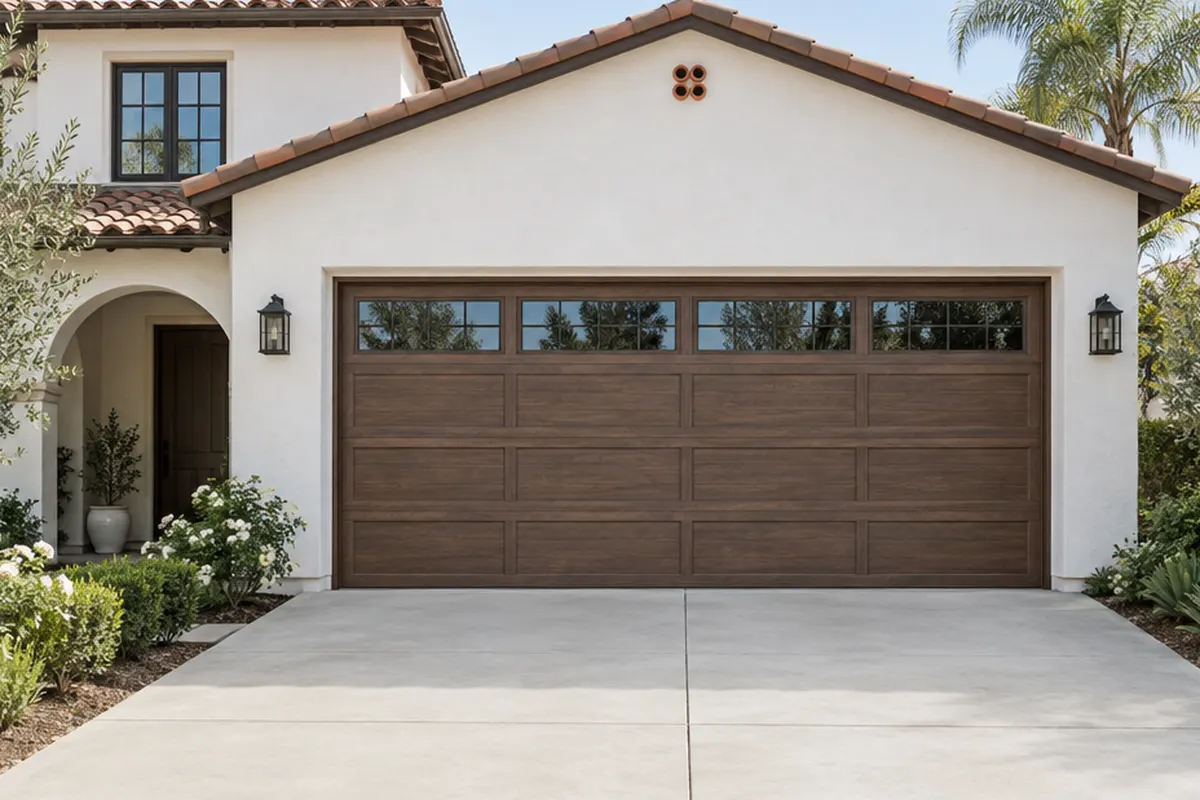
White stucco home with a wood-look garage door with a window row and a tile roof, illustrating the garage door safety children guide, for homes near Garden Grove near City Hall

Every month

  • Reverse test. Lay a 2x4 flat on the floor in the door's path and close the door. It should reverse when it touches the board. CPSC recommends this test, and Chamberlain says it must be done every month and after any adjustment.
  • Photo eyes. CPSC says photo eyes should sit 4 to 6 inches above the floor. Wipe the lenses and check that both lights are steady.
  • Balance. With the door closed, pull the release and lift the door by hand. It should stay put when stopped partway.
  • Look at the hardware. Look at springs, cables and brackets without touching them.

Step-by-step help is in our post on garage door safety tests.

Once or twice a year

  • Walk the door through a full cycle and note new noises or a jerky motion
  • Check that the red release handle is easy to reach and everyone old enough knows what it is for
  • Ask a technician for an inspection if the door is slow, crooked or noisy. Ours is the 12-point safety inspection at $89
  • Replace a very old opener that cannot reverse. CPSC says openers made for sale in the United States after January 1, 1991 must have reversing systems

Talking with your children

DASMA's safety sheet asks parents to discuss garage door safety with their children, explain the danger of being trapped under the door and teach them never to play under or near an open door. It also asks them to keep their hands and fingers clear of section joints, hinges, track and springs, because a pinch can happen even on a door without an opener.

No "beat the door"

Racing the closing door can cause serious injury or death. Adults should set the example, and everyone in the house should know how the emergency release works in case someone is pinned.

Pets and small children

Pets and toddlers cannot read a warning label, so the plan is to keep them out of the door's path rather than to count on a sensor. Close the door only when you can see it clear. If your garage has a pet door or a dog that follows you to the car, keep it away from the track side of the opening while the door moves. If the door ever reverses by itself or closes on something, stop using it and call. See why an opener keeps reversing.

What you do and what a technician does

TaskYouA technician
Remotes and wall buttonStore remotes high and mount the button out of reachMoves or replaces the wall control
Reverse and photo-eye testsTest monthly and keep lenses cleanAdjusts the limits and force and replaces failed sensors
BalanceLift test with the door closedReplaces or adjusts springs and cables
Hinges, track and rollersLook and listenRepairs, aligns and lubricates

Springs, cables and brackets are under tension and are technician work.

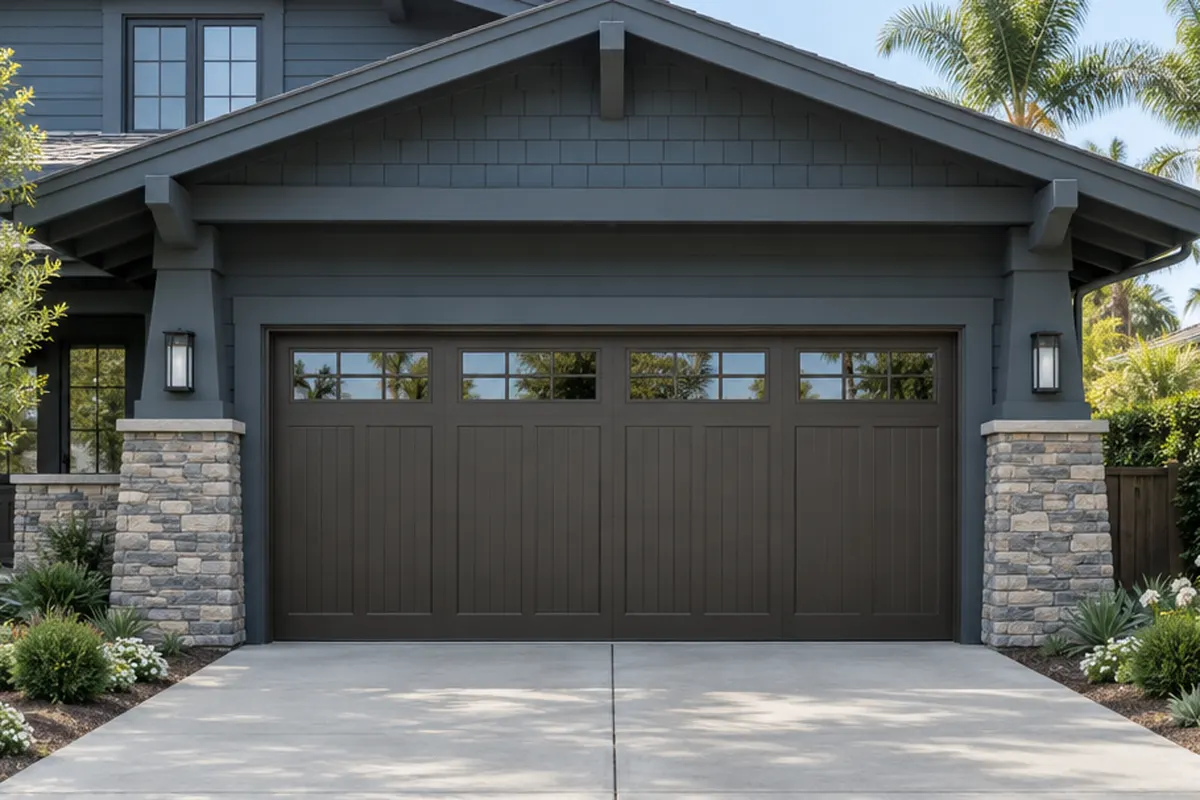
Dark gray-blue craftsman home with a dark bronze garage door with windows, illustrating the garage door safety children guide, for homes near central Calexico near City Hall

Where we come in

Emil Garage Doors inspects and repairs doors and openers across Southern California, and our city pages cover California, including West Sacramento, Garden Grove and Calexico. Call (213) 340-4232 or send the estimate form if a test fails or the door feels wrong. See garage door repair.

Questions people ask

How high should the garage door wall button be?

DASMA's safety sheet says the push-button wall control should be out of reach of children, at least 5 feet from the floor, and away from moving parts. CPSC says to install it as high as practical.

Where should I keep the garage door remote?

Keep it out of children's reach. CPSC has suggested locking the remote in the car's glove compartment.

How often should I test the garage door auto-reverse?

Every month and after any adjustment or repair, using a 2x4 laid flat on the floor in the door's path.

Can children be hurt by a garage door without an opener?

Yes. DASMA notes that contact with a moving door or its hardware can cause injury even on doors without automatic openers.

Need it looked at?

Call (213) 340-4232 or send your details for the soonest visit.

Call (213) 340-4232