
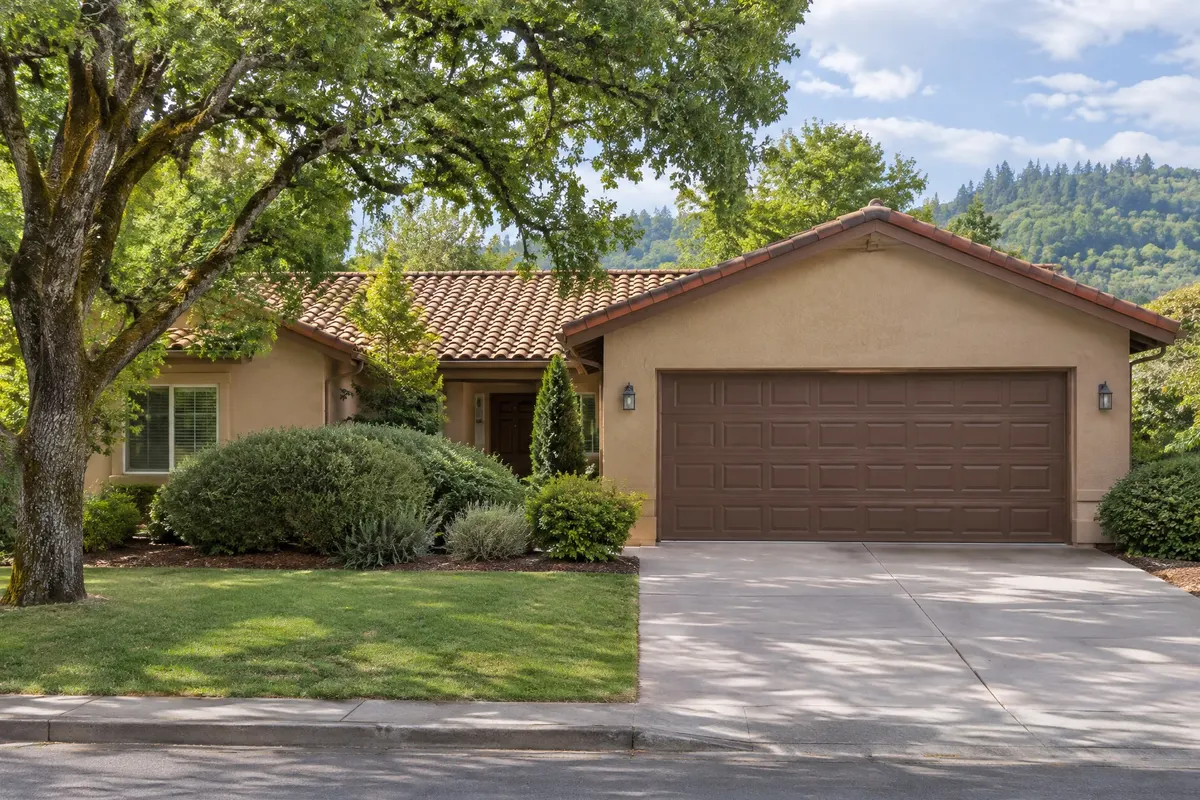
Green or black growth on a garage door is usually a moisture problem, not a paint problem. Scrub a small patch with mild detergent and water, rinse, dry it fully and then deal with the damp source. Do not use a pressure washer or scouring powder on the door. If the seal is soaked or the growth keeps returning, call us.
What the growth is and why it appears
Mold and mildew grow where moisture lingers and air does not move. On a garage door that means the bottom edge, the seal, the gap behind the stop molding and shaded corners. The U.S. Environmental Protection Agency says the key to mold control is moisture control, and that you should fix the water problem as soon as possible and dry all items completely.
Moss and algae need the same damp, shaded places. They sit on the door's surface or in the seal and hold water against the finish, which is why a clean door lasts longer than a green one.
Before you start
- Choose a dry day and keep the door fully closed while you work.
- Wear gloves and eye protection, and keep other people away from the area. EPA says to avoid exposing yourself or others to mold.
- Check the area. EPA says a small cleanup is one you can usually handle yourself when the growth is under roughly a 3 foot by 3 foot patch. A larger area, or heavy water damage, needs a professional.
- Read your door maker's care guide. Finishes differ, so use what it allows.
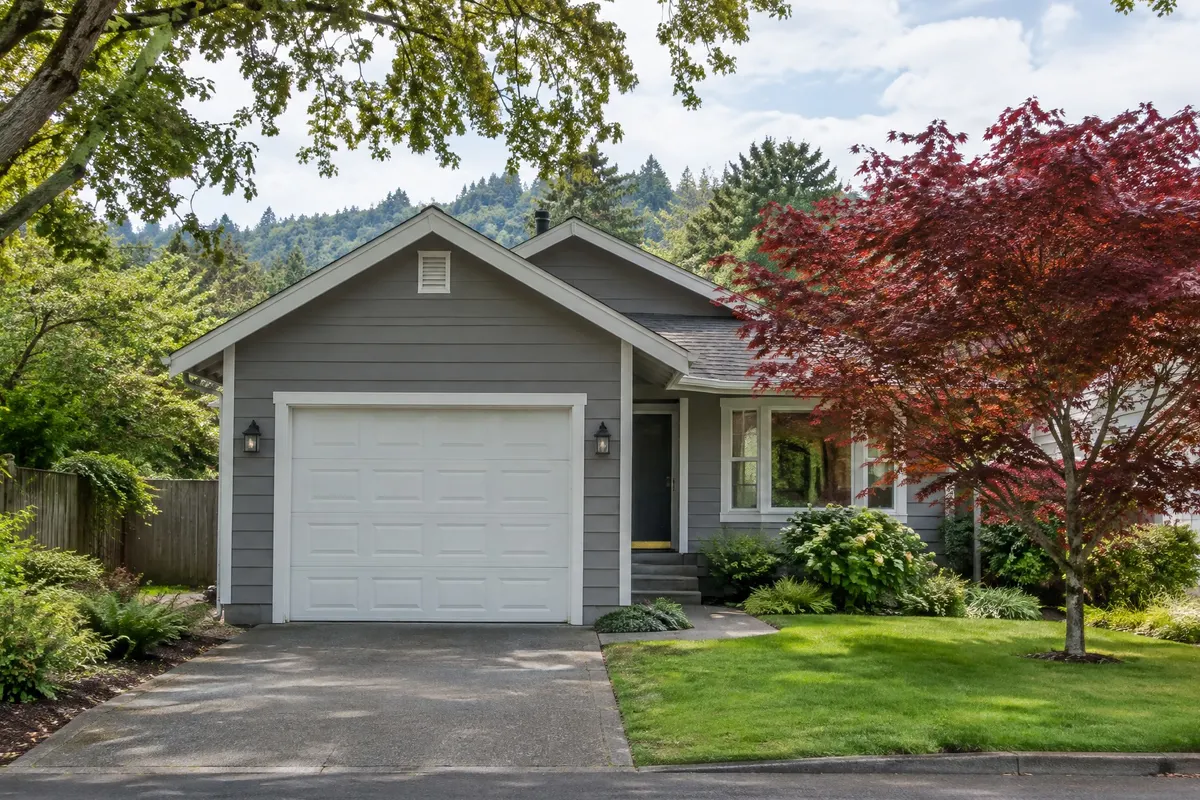
How to clean it, step by step
Mix a mild cleaner
Use dishwashing detergent or a mild non-toxic cleaner in warm water. Clopay's care guide lists these and says not to use scouring powders or solvents.
Scrub from top to bottom
Use a soft cloth, sponge or soft brush. EPA says to scrub mold off hard surfaces with detergent and water.
Clean behind the stop molding
Clopay notes that dirt collects behind the stop molding on the sides and top. Wipe it out so growth does not return.
Rinse with clean water
Rinse the door with a hose on a gentle setting. Do not use a pressure washer, which Clopay says to avoid.
Dry it completely
Wipe the door and leave it to dry in moving air. EPA says to dry completely, because damp surfaces grow mold again.
Protect the finish
On a steel door, Clopay recommends liquid car wax after cleaning to protect the paint between washes.
Cleaning treats the symptom. Look for a gutter spilling onto the door, a downspout aimed at the slab, a leaking roof edge or a torn bottom seal. The OSU Extension checklist lists these among the ways water gets in.
What to avoid
- Do not paint or caulk over growth. EPA advises cleaning and drying before painting or caulking.
- Do not use a pressure washer, scouring powder or solvent on the door.
- Do not mix cleaning products. Use one product, as its label directs.
- Do not scrub the glass of decorative windows with a brush. Clopay says to use mild soap and a soft cloth.
- Do not climb a ladder to clean the top track or springs. Those parts are under tension and are a technician's work.
What about the rubber seal?
A bottom seal that stays wet will grow green or black film again and again. Clopay's inspection list flags tears or gaps in the bottom weather seal. EPA notes that absorbent or porous materials may have to be thrown away if they become moldy, because mold can grow into them. A rubber seal that is stained all the way through, cracked or flat is better replaced than scrubbed. See bottom seal in the rain and rain and moisture.
When to call
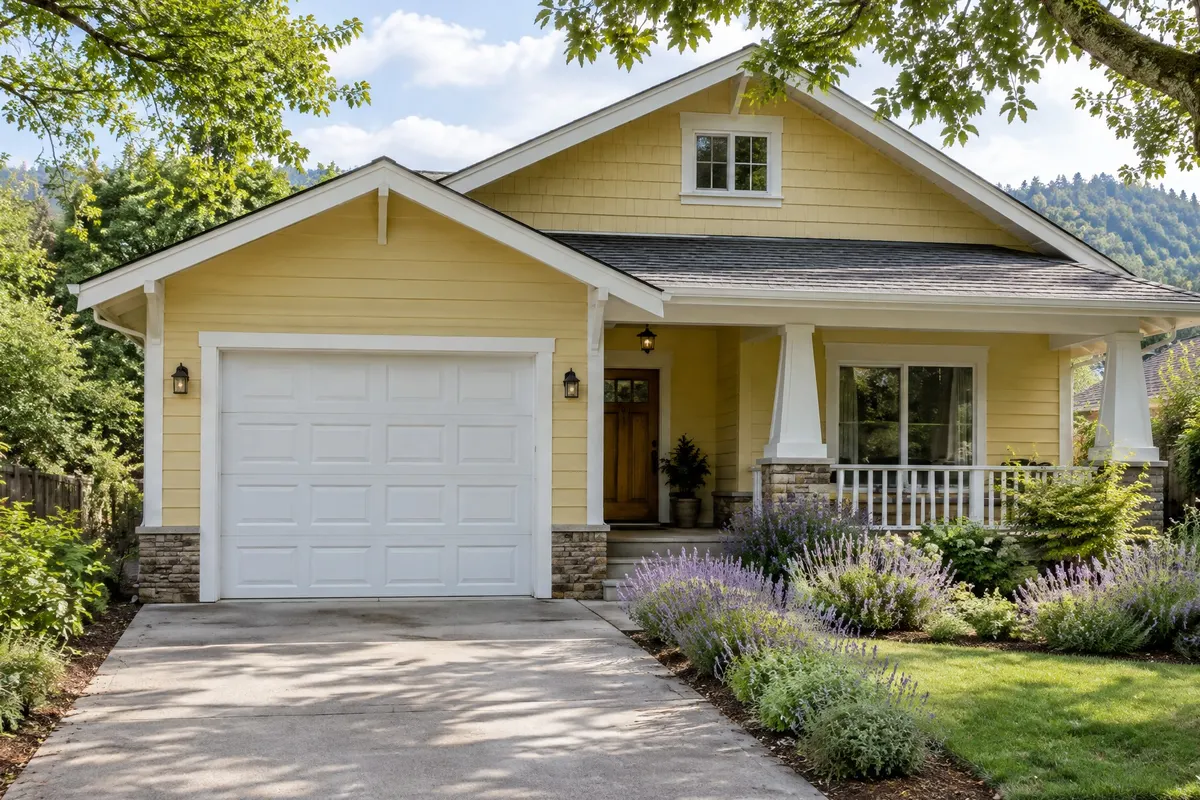
Call a technician if the growth covers a large area, if the panels feel soft or swollen, if the door sticks or if you see rust. See garage door repair and new garage doors if the panels are beyond saving. Emil Garage Doors repairs and installs doors in Oregon, including Albany, Eugene and Keizer. Call or send your details and a photo.
Questions people ask
How do I clean mold off a garage door?
For a small patch, scrub with mild detergent and water, rinse with clean water and dry the door completely. EPA gives this method for hard surfaces.
Can I pressure wash a garage door?
Door makers such as Clopay say not to. A pressure washer can push water behind the stop molding and damage the finish. Use a soft cloth or brush and a hose.
Why does green stuff keep growing on my garage door?
Algae and mildew return when moisture and shade stay. Fix the water source, keep gutters clear and dry the door after cleaning.
When should I replace a moldy garage door seal?
When it is torn, flat, cracked or stained through. EPA notes that porous materials may have to be thrown away once they are moldy.
Related services
Need help near you?
We repair and install in these cities. Each page has local notes, prices and reviews.
Keep reading
Sources
- U.S. Environmental Protection Agency: Mold Cleanup in Your Home (small areas, detergent and water, drying)
- Clopay: Canyon Ridge care and maintenance guide (cleaning, waxing, seals, balance test, warnings)
- Oregon State University Extension: Mold control, home inspection checklist (moisture, condensation, ventilation, water entry)