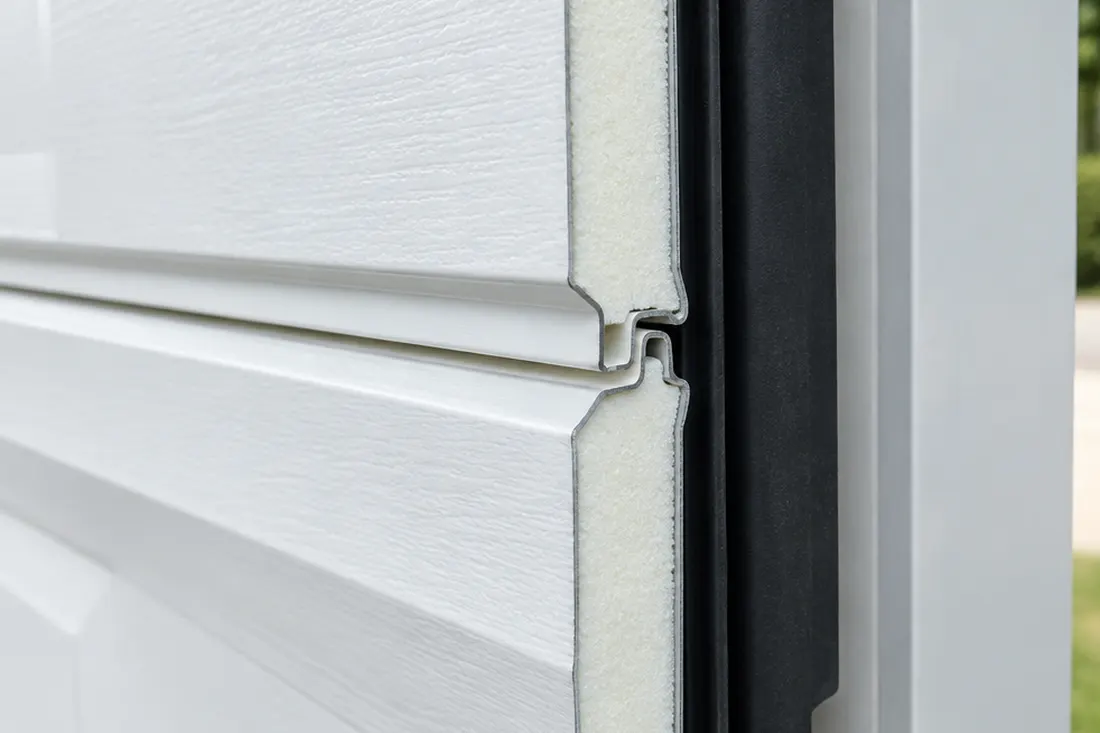
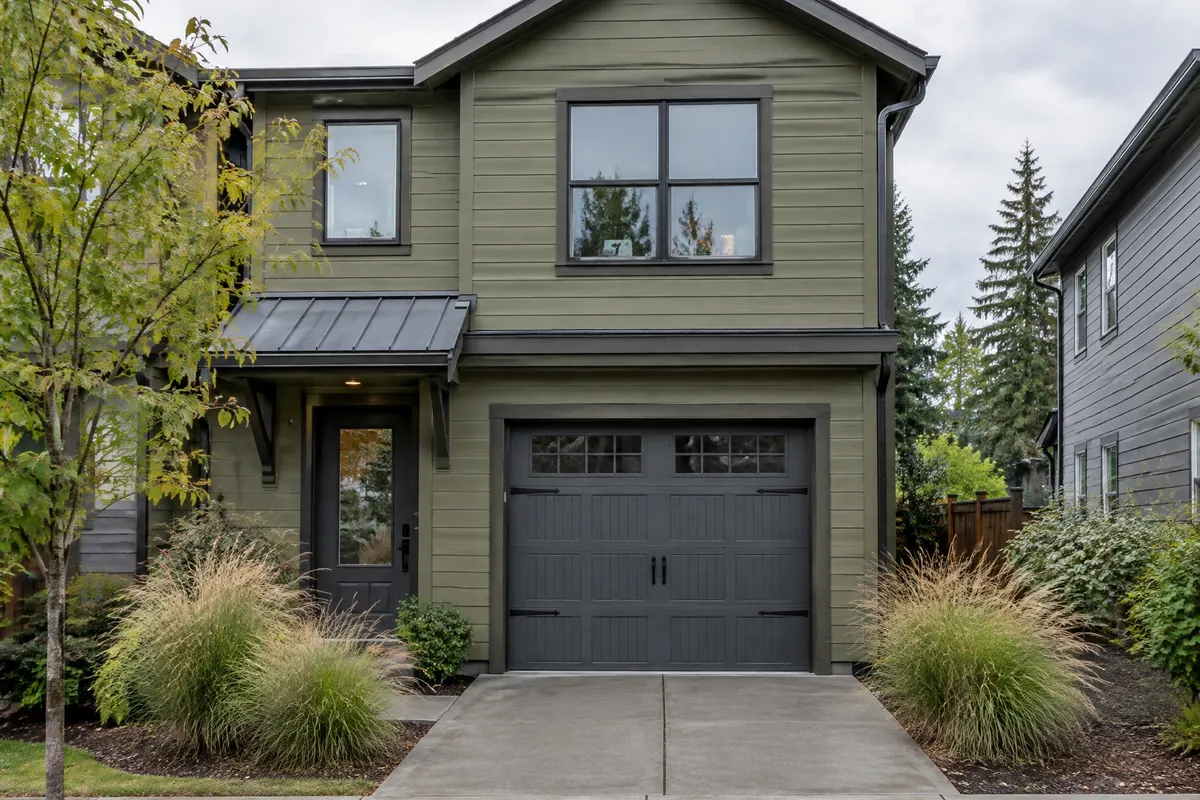
The Washington Department of Health says to keep windows and doors closed during smoke unless it is too hot, to set the HVAC to recirculate and to filter indoor air. Its pages do not mention garages. A worn garage door seal is a common gap, so check the seals and keep the door shut during smoke.
Wildfire Smoke and Sealing a Washington Garage
What the state advises
The Washington State Department of Health tells residents to close windows and doors during wildfire smoke, unless it is too hot to keep the home at a safe temperature. It advises setting the HVAC system to recirculate or closing the outdoor air intake, using a MERV 13 filter or the highest rated filter the system can handle, and running the fan continuously.
It also recommends a portable HEPA air cleaner that is filter-only, without ionic, ozone or ultraviolet technology, and creating a cleaner air room. Its pages say to open windows when air quality improves, for example during rain or a shift in wind. That matters most when smoke lasts 3 to 4 days or more.
Where a garage door fits in
The Department of Health pages do not mention garages. What follows is common-sense maintenance, not an agency instruction. A garage door is a large opening, and a cracked bottom seal, a worn side seal or a gap at the top can let outdoor air in. Whether that air reaches the house depends on how the garage is built and how well the door between them closes, so keep that door shut during smoke.
Do the check in spring or early summer, not when the air is already smoky. Look for light around the door and cracked or flat weatherstripping.

Check the seals before smoke arrives
- Bottom seal: look for cracks, hardening, flat spots and gaps where it meets the floor.
- Side and top strips: Clopay says to look for light or drafts around the perimeter and for cracks, tears or missing pieces.
- Corners: air often comes in where the bottom seal meets the side strip.
- Retainer: the metal channel holding the seal should be straight and tight.
Replace a worn seal
A seal that is cracked, crushed or no longer springing back should be replaced, according to Clopay, which suggests most seals need replacing every 2 to 3 years depending on climate and use. Match the new seal to your retainer. T-style seals slide into a channel; U-style bulbs compress to seal against an uneven floor. See replacing a bottom seal for the steps.
Seal work is separate from springs and cables. Do not loosen the bottom brackets or touch the springs, and call a technician if the door binds.
Keep the door and the opener working
A door that sticks or does not close fully leaves a gap no matter how good the seal is. If the door reverses before it reaches the floor, scrapes or does not stay shut, have it checked. See garage door repair and opener repair. Keep the garage clean and dry, since stored items that smell of smoke can be moved out of the house.
What not to do
Do not use sealant or caulk as a permanent fix for a worn weatherstrip. Do not tape a door shut; it can stop the opener working and make it hard to leave the garage in an emergency. If you are using a generator during an outage, keep it outdoors and away from the garage.

Questions people ask
Should I keep my garage door closed during wildfire smoke?
Yes. The Department of Health advises keeping windows and doors closed unless it is too hot, and a garage door is one of the largest openings.
Can smoke get into my house through the garage?
It can, depending on how the garage and the door to the house are built. Keep that door shut and check the seals.
How often should I replace garage door seals?
Clopay suggests most seals every 2 to 3 years depending on climate and use, and sooner if they are cracked, crushed or no longer springing back.
Does the state give advice about garage doors and smoke?
Its smoke pages cover windows, doors, HVAC settings, filters and a cleaner air room. They do not mention garages specifically.

Services that fit this problem
Garage door and gate help near you
We repair and install in these cities. Each page has local notes, prices and reviews.
More guides
Need it looked at?
Call (206) 970-4958 or send your details for the soonest visit.