
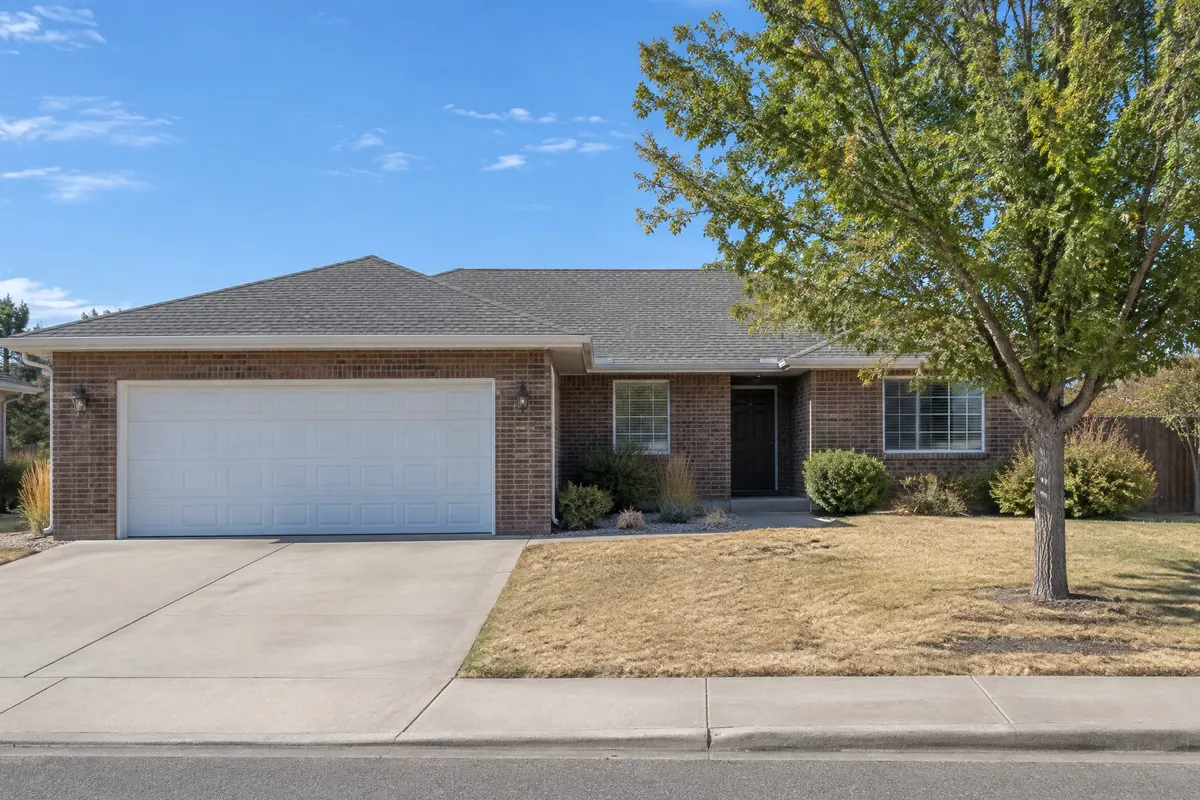
Eastern Washington is colder in winter than the west side, and dust storms can blow from spring through fall. For a garage door that means stiff seals and a heavier feel on cold mornings, and grit in the tracks and rollers after a dusty spell. Wipe the tracks, check the seals each fall, and stop using a door that binds.
What the east side asks of a garage door
The Office of the Washington State Climatologist says eastern Washington is colder in the winter and warmer in the summer than western Washington. The reason it gives is that the east side does not have the moderating effect of Puget Sound and the Pacific Ocean. The Cascade Mountains also cause the most distinct rain shadow in the state.
A garage door on the east side therefore works through colder winters and warmer summers than one near the coast, plus the dust that dry ground and wind can lift. None of this breaks a door on its own. It does mean the parts that wear first, the seals, rollers and springs, are worth a look each season.
Dust: what it does to a door
The Washington State Department of Ecology says dust storms are a risk in central and eastern Washington from spring through fall. They tend to happen during dry spells, when strong winds lift loose soil into large clouds. Ecology adds that the storms have become less frequent since the mid-1990s as farmers adopted no-till farming, cover crops and windbreaks.
Fine grit settles in the bottom seal, in the track and on the rollers and hinges. Grit is abrasive, and a track packed with dirt makes the door and the opener work harder. Ecology advises people to close windows, doors and vents when dust is blowing, and that includes an open garage door.
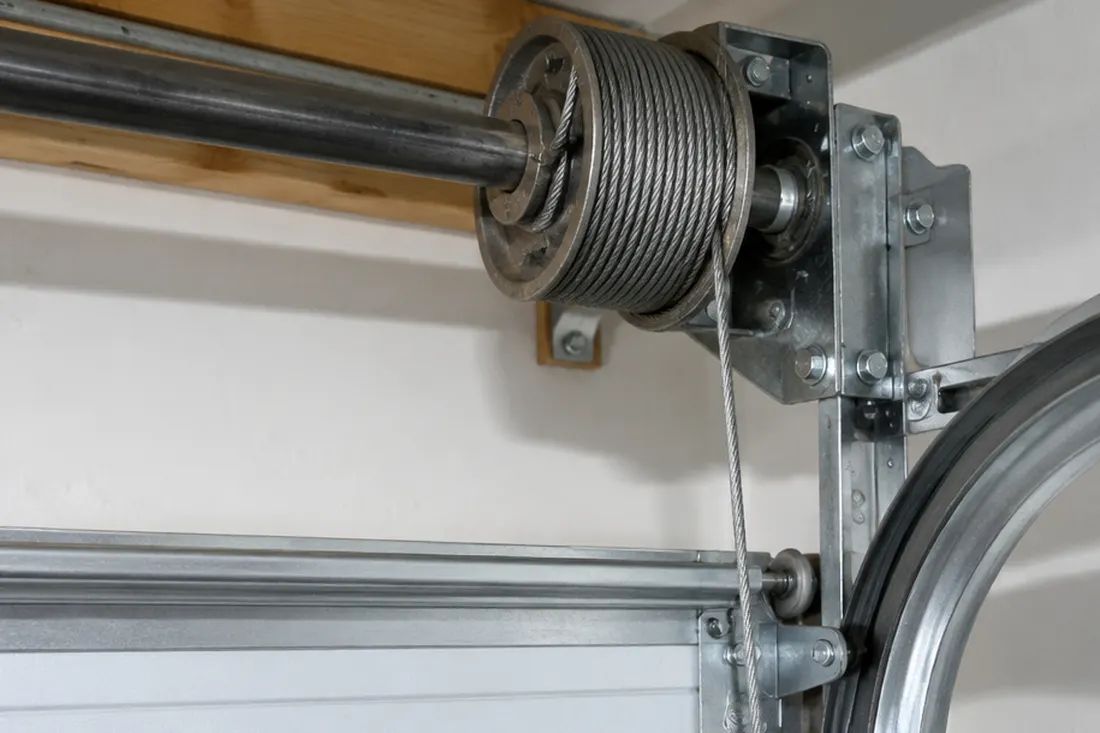
Cold: seals, springs and openers
Clopay says heavy-duty weatherstripping and a flexible bottom seal help block drafts, snow and moisture, and that seals should be inspected each fall and replaced every few years, or sooner if they turn stiff or brittle. A hard, cracked seal is the first thing a cold snap shows up.
Garaga says torsion springs can also be affected by rust and cold weather, though it gives no numbers. Treat a door that suddenly feels heavy or noisy on a cold morning as a reason to look, not to force it. See spring repair for what a technician checks.
What to check by season
| Season | What to check | Why |
|---|---|---|
| Spring | Wipe grit from the tracks and rollers; clean the photo-eye lenses | Dust season starts, according to Ecology |
| Summer | Look at hinges, rollers and the bottom seal after dusty or hot spells | East side summers run warmer than the west side |
| Fall | Test the bottom seal and side weatherstripping for stiffness or gaps | Clopay says to inspect seals each fall |
| Winter | Clear snow and ice from the base of the door; listen for strain on cold mornings | East side winters run colder than the west side |
A checklist, not a diagnosis. We confirm the cause on site.
A simple upkeep routine
Wipe the tracks
With the door closed, wipe dust and grit from the inside of both tracks with a dry cloth.
Clean the sensors
Wipe the two photo-eye lenses near the floor and make sure nothing blocks the beam.
Look at the seal
Run a hand along the bottom seal. Note stiffness, cracks, flat spots or daylight under the door.
Test the balance
Pull the red release handle with the door closed and lift it a little by hand. A sound door moves smoothly and stays where you leave it.
Stop if it binds
If the door feels very heavy, scrapes or hangs crooked, put it down, leave the opener disconnected and call a technician.
Springs and cables are not a home repair
Springs and lift cables hold the weight of the door under tension. Do not adjust, wind or remove them. If a spring or cable has broken, or the door is crooked or heavy, stop using it and call a technician. See garage door repair for what a visit includes.
Who to call
Emil Garage Doors repairs garage doors, springs, cables and openers and installs new doors in Washington, including Richland, Spokane Valley and Wenatchee. Call or send your details and what the door does. For west side conditions, see garage doors in the Seattle area.
Questions people ask
Does cold weather damage a garage door?
Cold stiffens rubber seals and can make a door feel heavier. Garaga says torsion springs can be affected by rust and cold weather. A door that strains on cold mornings should be checked, not forced.
Can blowing dust harm a garage door?
Grit collects in the seal, tracks and rollers and wears them. Wiping the tracks and keeping the sensors clean after a dusty spell helps.
How often should I check the seals?
Clopay advises inspecting the seals each fall and replacing them every few years, or sooner if they turn stiff or brittle.
Should I close the garage door during a dust storm?
Ecology advises closing windows, doors and vents when dust is blowing, and an open garage door is one of those openings.
Related services
Need help near you?
We repair and install in these cities. Each page has local notes, prices and reviews.
Keep reading
Sources
- Office of the Washington State Climatologist: Washington climate (eastern Washington colder in winter, western Washington wetter and milder, Cascade rain shadow)
- Washington State Department of Ecology: Get prepared now for dust storms (season, causes, health and driving advice)
- Clopay: Insulated garage doors for cold climates (R-values by insulation type, seals, attached garages)
- Garaga: The secrets of garage door torsion springs (cycle rating, lifespan, rust and cold weather, do not repair them yourself)