
Washington's wet season runs from October into spring, and constant damp is hardest on the parts that hold water: bottom seals, wood panels, steel edges, rollers and hinges. You can limit the damage with a seasonal check, a dry floor under the door and light lubricant on moving parts. If the door binds or looks swollen, stop using it.
How Washington weather reaches your garage door
The Western Regional Climate Center describes a wet season that begins in October, peaks in winter and eases off in spring. In December and January, the wettest months, rain is frequently recorded on 20 to 25 days or more each month. A garage door that faces the weather spends a large part of the year wet or damp.
The state is not evenly wet. The same source says precipitation east of the Cascades is less than in western Washington, and it gives annual totals that range from roughly 20 inches in one rain-shadow area to about 150 inches on the southwestern slopes of the Olympic Mountains. So the checks below matter most for doors that stay damp for months, and still apply on the drier side of the state, where melting snow and sprinklers can wet a door too.
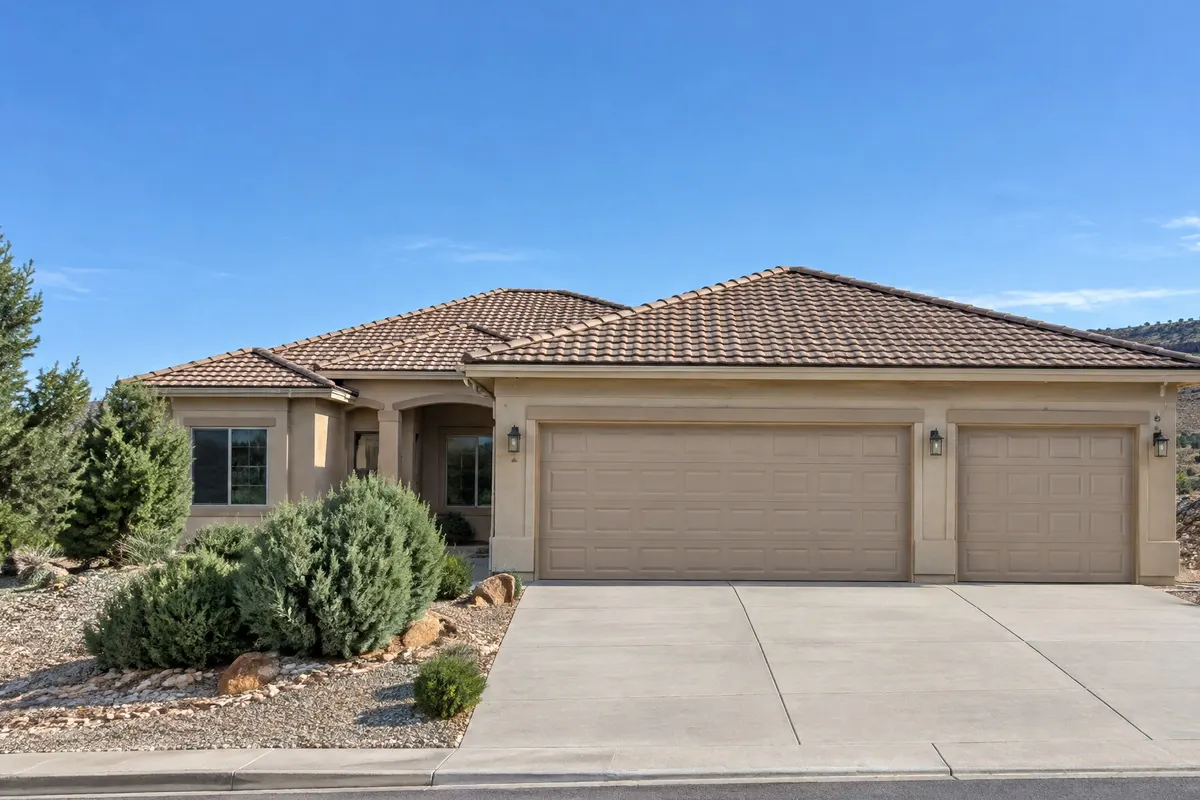
What damp air and standing water do to each part
- Bottom seal: vinyl and rubber stay damp, collect grime and eventually crack or flatten, which lets water and pests in.
- Wood panels and trim: wood takes up moisture at its bottom edge, then swells, peels or softens if the finish is worn.
- Steel panels: scratches and the cut bottom edge are where rust starts when water sits on them.
- Rollers, hinges and track: moisture strips lubricant and leaves surface rust, which makes the door louder and harder to move.
- Opener and sensors: water running down the wall or across the floor can reach the eyes, the wall button wiring and the opener itself.
Rust and swelling build slowly, so the door can look fine until one wet week shows the problem.
What to check, by season
| When | What to check | What it tells you |
|---|---|---|
| Early October, before the rain | Bottom seal for cracks, hardness or gaps; paint on the lower panels | Whether water will get under or into the door |
| Mid-winter, after a long wet spell | Bottom edge of each panel, rollers and hinges for rust or swelling | Whether moisture is sitting on the door |
| Spring | Track and rollers for grime, lubricant on moving parts, the floor under the door | Wear from the wet months, and any pooling |
| Summer, drier side or dry spells | Wood finish, paint and sealant on edges | A good time for repainting and resealing |
The calendar is a guide. A door that looks damp or sticks should be checked right away.
A simple moisture routine
Keep the floor draining away
Clear leaves and dirt from the front of the door so water runs off the slab instead of pooling at the seal.
Wipe the bottom edge and seal
Use a cloth and mild soapy water, then dry. Look for cracks, flat spots and light or water showing under the door.
Lubricate moving parts
Apply a silicone or garage door spray lubricant to rollers, hinges and the track pivot points. Do not put grease on the track itself.
Touch up exposed edges
Seal chips and scratches on steel and refinish worn wood so moisture cannot get in.
Test the door by hand
Pull the red release handle and lift the door a little. It should move smoothly and stay put. If it sticks or feels heavy, stop.
Quick answers
How does rain damage a garage door?
Rain and damp air wear down seals, make wood swell, start rust on steel edges and strip lubricant from rollers and hinges. The damage builds up over a wet season rather than in one storm.
How often should I check my garage door in the wet season?
A quick look every month or two is enough: seal, bottom edge, rollers and the floor under the door. Do a fuller check before the rains start in October and again in spring.
Is a damp garage a problem for the opener?
It can be. Water running down the wall or across the floor can reach sensors, wiring and the opener. Keep the area dry and have a technician check anything that trips or acts oddly.
Does moisture matter on the drier side of Washington?
Yes, though less. Precipitation east of the Cascades is lower, but sprinklers, melting snow and temperature swings still leave a door damp from time to time.
Dry air inside the garage matters too
The U.S. EPA advises keeping indoor humidity below 60 percent, ideally between 30 and 50 percent, and fixing water problems as soon as possible. A garage is not a living space, but wet coats, cars and stored boxes add moisture, and a door that does not seal well lets more in. Leaving the garage open for a while on a dry day can help air move through.
Hang wet gear where it can dry and keep cardboard boxes off the floor. Mold needs moisture, and a damp garage is where it starts. See mold and mildew on garage doors and bottom seals in the rain.
When to stop and call a technician
Stop using the door if it binds, hangs crooked, makes new grinding or popping noises or has a visibly swollen or rusted panel. Do not adjust springs or cables yourself. Garage door repair and opener repair cover the parts that moisture usually wears down first.
Who to call
Emil Garage Doors repairs garage doors, springs, cables and openers and installs new doors in Washington, including Bellevue, Everett and Tacoma. Call or send your details with a photo of the bottom of the door and the seal, and we book the soonest visit.
Services that fit this problem
Garage door and gate help near you
We repair and install in these cities. Each page has local notes, prices and reviews.