
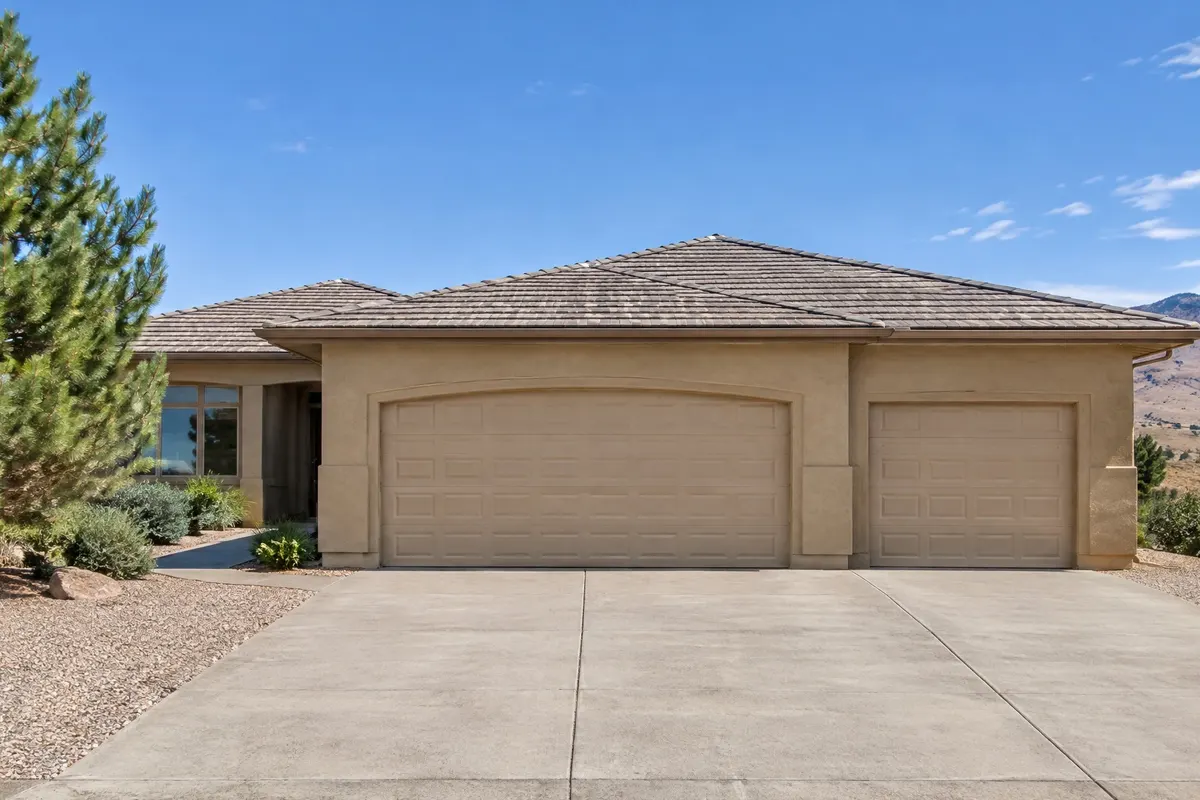
Mold and mildew grow where a garage door stays damp: the seal, the lower panels, the joints and the trim. For a small patch, scrub it with detergent and water, then dry it completely, and fix the moisture source or it will return. Wear a respirator, gloves and goggles, and stay away from springs and cables.
Why a garage door grows mold
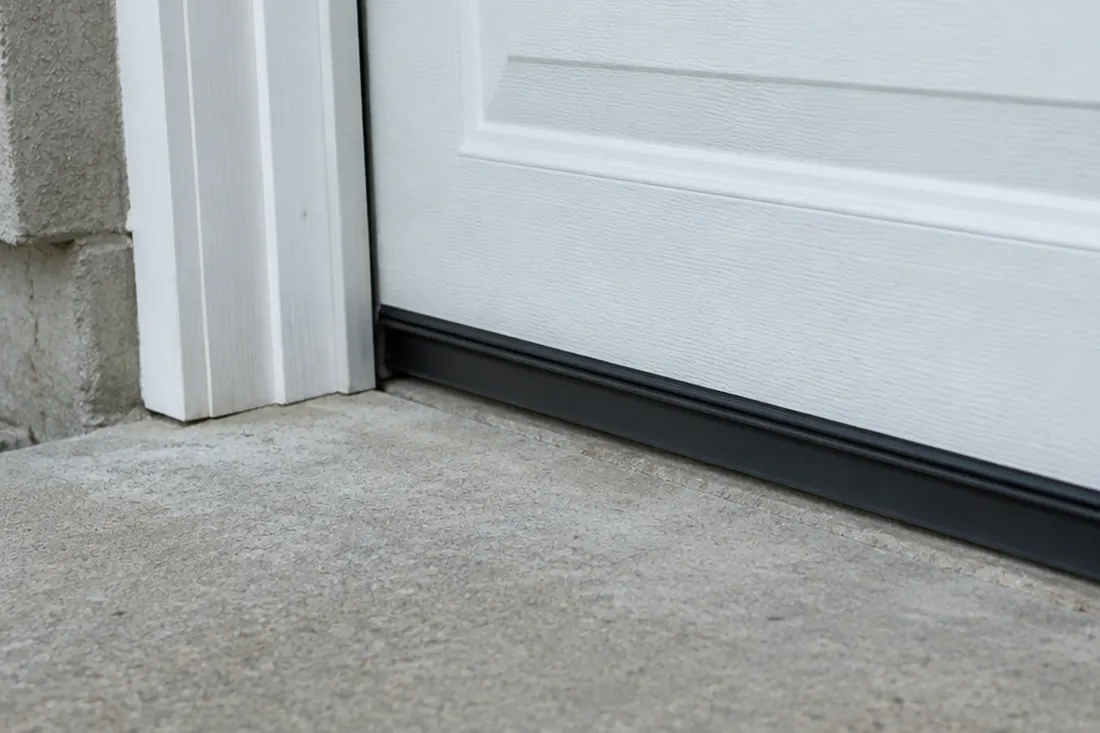
Mold needs moisture. The U.S. EPA says the key to mold control is moisture control, and that mold starts when spores land on a wet surface. A garage door has plenty of those: the rubber or vinyl seal along the bottom, the lower panels where water splashes, the seams between sections and any wood trim.
In a wet climate like western Washington, a door that faces shade, a hedge or a downspout may never fully dry between rains. See rain, moisture and garage doors for the wider picture.
Before you start
- Use a well-fitted N-95 respirator, gloves that reach mid-forearm and goggles without vent holes, as the EPA advises. Do not touch mold with bare hands.
- Park the car and clear the area so you can reach the bottom of the door from both sides.
- Pull the red release handle so the opener cannot move the door while you work, and keep hands clear of springs, cables and the brackets at the bottom corners.
- Check how much surface is affected. The EPA says patches under about 10 square feet can often be handled by a homeowner; larger growth needs more than a scrub brush.
How to clean it
Dry brush loose growth
Take off loose spores gently with a soft brush so you are not scrubbing them into the surface.
Mix detergent and water
Use a household detergent in warm water. The EPA says to scrub mold off hard surfaces with detergent and water.
Scrub small sections
Work on a patch at a time with a soft brush or sponge. Rinse your cloth often and keep water off the opener and the sensors.
Wipe, do not flood
Remove suds with a damp cloth. A pressure washer can force water behind seals and into hinges, so avoid it.
Dry it completely
Wipe with towels and leave the door open on a dry day, or use a fan, until nothing looks wet.
Replace the seal if it is stained or cracked
A seal that stays discolored or has cracks is holding moisture. See replacing a bottom seal.
The EPA advises drying water-damaged areas within 24 to 48 hours to prevent mold growth. Dry the door fast after every wash.
Cut off the moisture so it stays gone
Cleaning only removes what you can see. The EPA advises keeping indoor humidity below 60 percent, ideally between 30 and 50 percent, and fixing water problems as soon as possible. For a garage door that means a downspout that does not splash onto it, a floor that drains away, a seal that touches the slab and wet items that are not left in a closed garage.
What to avoid
- Do not mix bleach with ammonia-containing cleaners. The EPA warns against it and does not recommend routine use of bleach on mold.
- Do not scrub a wood door with a harsh brush; it can raise the grain and leave the finish open to more moisture.
- Do not paint over mold. It will keep growing under the paint.
- Do not reach into the track area or near the springs while cleaning.
When to call a technician
Call if the growth keeps returning, the wood is soft, the seal has fallen out of its retainer or the door sticks or binds. Moisture that is bad enough to grow mold can also be rusting the hardware. A technician can check the rollers, hinges and the bottom brackets safely. See garage door repair and new garage doors if the panels are beyond saving.
Who to call
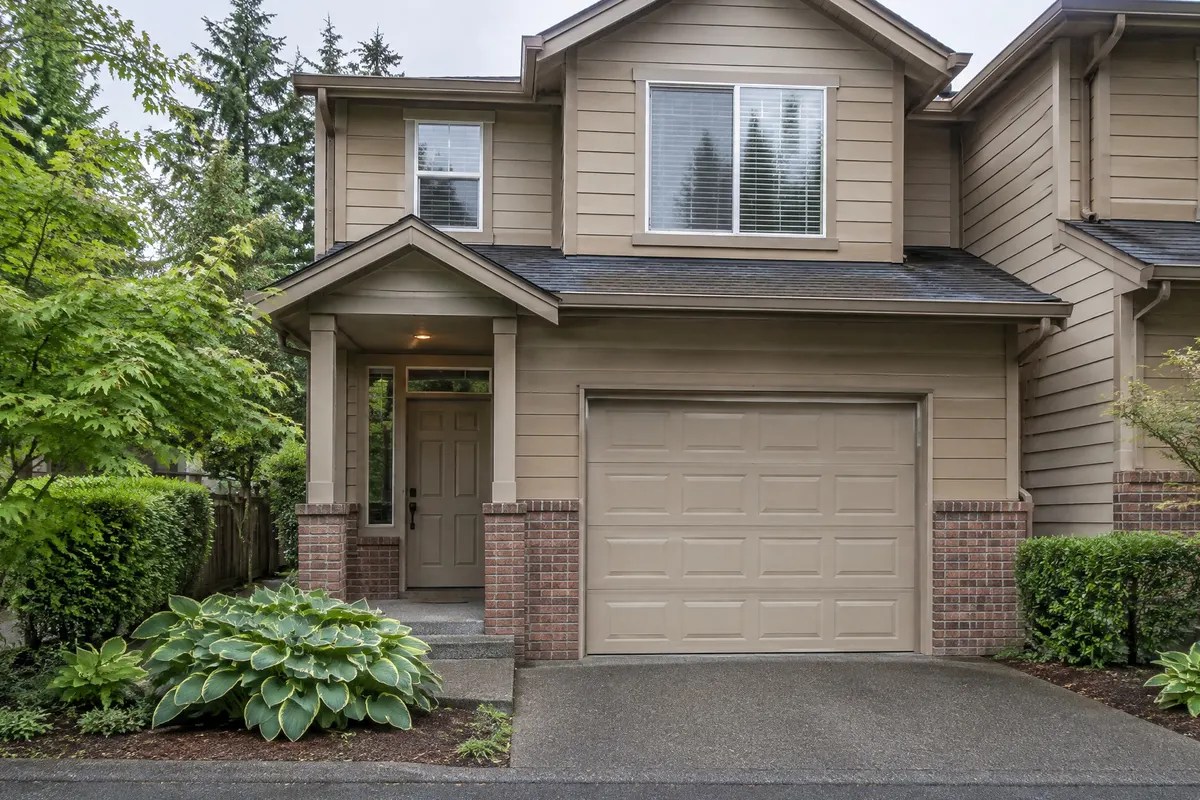
Emil Garage Doors repairs garage doors, springs, cables and openers and installs new doors in Washington, including Bellingham, Bremerton and Lacey. Call or send your details with a photo of the affected area and we book the soonest visit.
Questions people ask
What causes mold on a garage door?
Constant moisture. Water that sits at the seal, bottom edge, seams and wood trim, along with shade and poor drying, lets mold and mildew grow.
Can I clean mold off a garage door myself?
A small patch usually yes. Scrub it with detergent and water, dry it completely and wear a respirator, gloves and goggles. Call a technician if the door is damaged, sticks or the growth is large.
Do I need bleach to clean mold?
No. The EPA does not recommend routine use of bleach on mold, and says detergent and water on a hard surface followed by drying is the standard method. Never mix bleach with ammonia products.
How do I stop mold coming back?
Stop the moisture: keep the floor draining away, dry the door after washing, replace a worn seal and keep wet items out of the garage.
Services that fit this problem
Garage door and gate help near you
We repair and install in these cities. Each page has local notes, prices and reviews.