
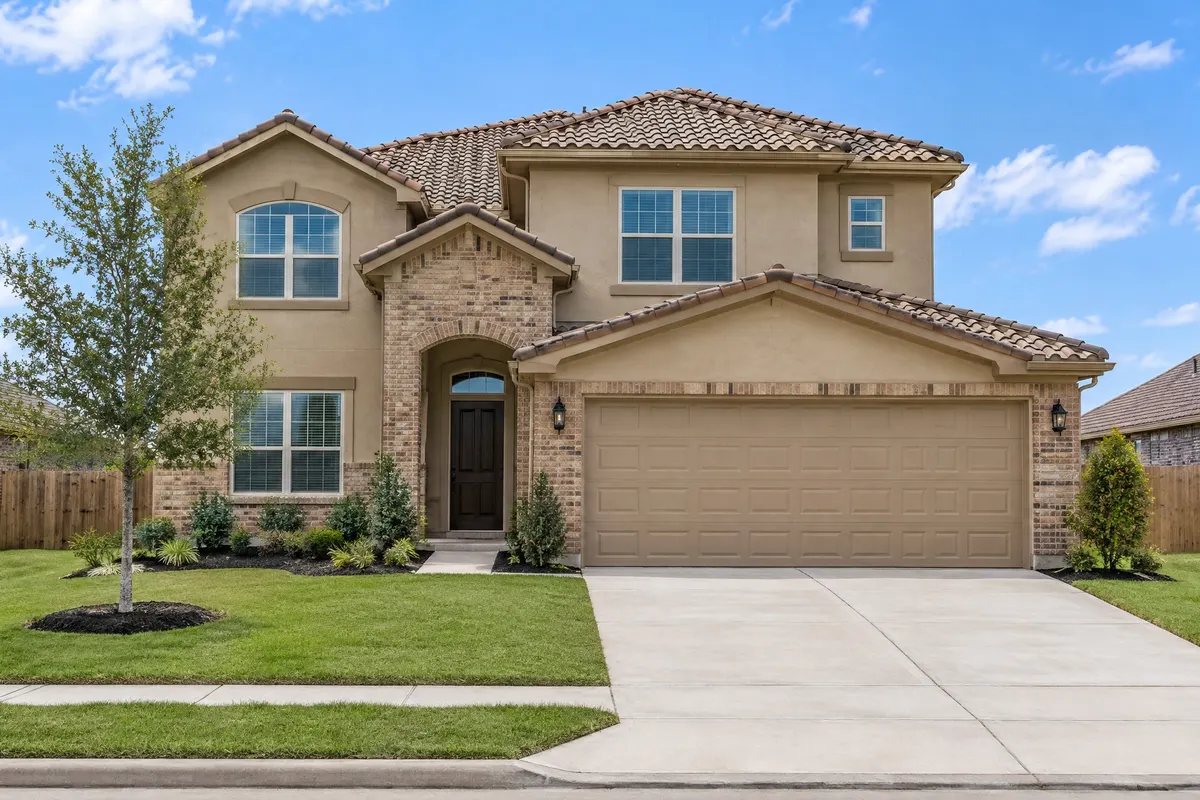
A wind-rated garage door is rated in pounds per square foot of pressure, not in miles per hour. The pressure your door needs depends on the building, the site and the door size, and the local building code sets the rule. Ask for the door's design pressure rating and its test standard, then check it against what your city or engineer requires.
What does "wind-rated" mean?
A wind-rated garage door has been built and tested to resist a stated amount of air pressure pushing on it or pulling it away from the wall. The big flat door is the weakest part of the wall in a storm, so manufacturers test whole doors, with track and hardware, rather than a single panel.
The rating is printed as a design pressure. You will see it on a label, a spec sheet or a product approval document.
Why is the rating in pounds per square foot and not miles per hour?
The Door and Access Systems Manufacturers Association (DASMA) says garage doors are rated to withstand specific wind pressures in pounds per square foot (psf), and are not sold by wind speed. A manufacturer cannot turn psf into mph because the same wind speed gives different pressure on different buildings.
Building codes use a standard called ASCE 7 to turn a wind speed from a map into a design pressure. The math uses the wind speed, the terrain, the shape of the building and other factors that the door maker cannot see from a catalog.
What decides the pressure my door needs?
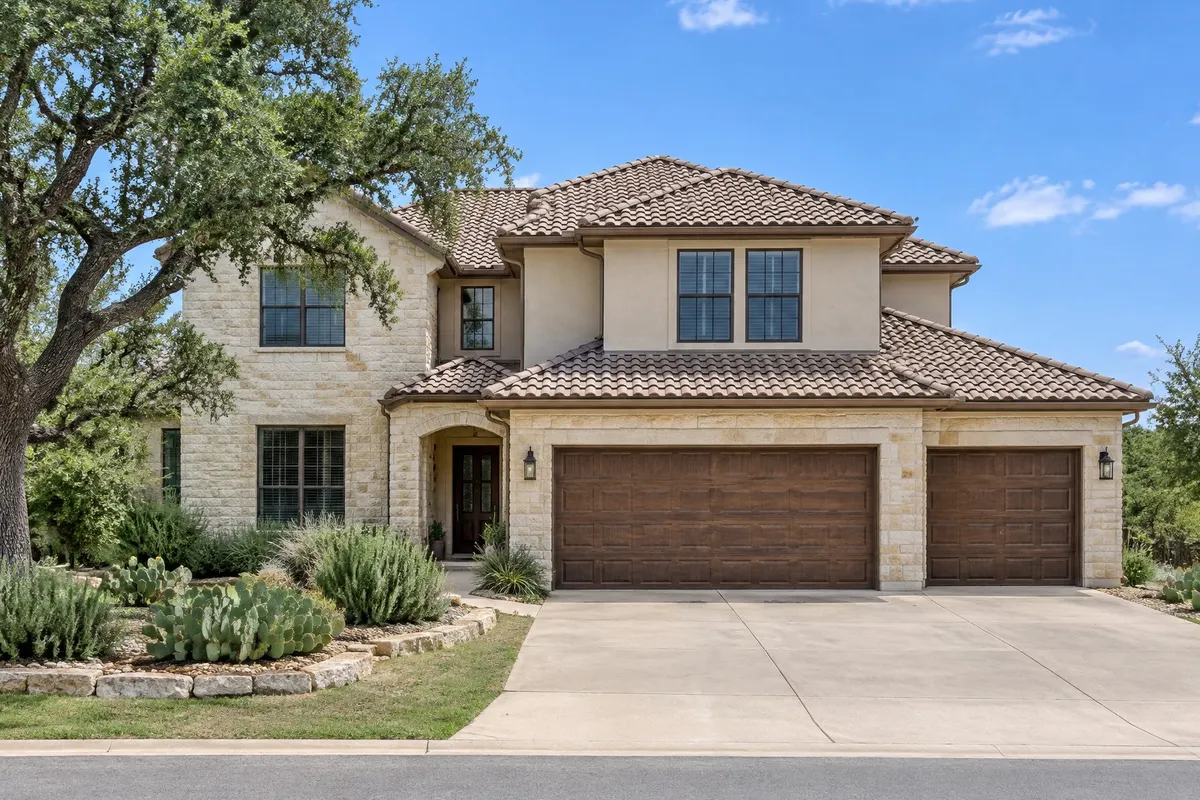
DASMA lists the things that change the answer. They include the height of the roof, the slope of the roof, nearby trees and buildings that block wind, a hill that speeds it up, open water nearby, and how close the door sits to the corner of the building. The size of the door matters too, and the version of the standard your local code uses.
DASMA also says garage doors generally need a lower pressure rating than an entry door, because the size of the part changes the requirement. Its wind load guide, Technical Data Sheet 155, ties the design pressure to roof height, door size and wind speed.
| Term on a label | What it tells you | Where it comes from |
|---|---|---|
| Design pressure (psf) | The pressure the door is built to handle | Building code and the site |
| Structural test | The whole door was pressure tested | ASTM E 330-14 or ANSI/DASMA 108-17 |
| Impact rating | The door passed a flying-debris test | ASTM E 1996-14a or ANSI/DASMA 115-2016 |
| Product evaluation | The state insurance department reviewed the door | Texas Department of Insurance |
The test names above are the ones the Texas Department of Insurance lists. Ask the seller for the exact report.
Who decides which rating I need?
DASMA says the local building code, often with a design professional called the Engineer of Record, works out the site-specific requirement. A door seller can then supply a product that meets it. Rules differ by city and by neighborhood, so check with your city building department and your HOA documents before you order.
Do I need an impact-rated door?
Only some areas require protection from windborne debris. The Texas Department of Insurance says that protection is required only for exterior openings, and it lists garage doors among them. Its page does not say which parts of the state need it, so ask your city or your insurer whether your address does.
The department does not charge for evaluating a product. It also says a product missing from its index may simply not have been submitted. Do not assume a door is unsafe because it is not listed, and do not assume it is approved because a seller says so.
What to ask before you buy
- What is the door's design pressure in psf, positive and negative?
- Which test standard was used, and can I see the report?
- Does the rating cover this door size, with these windows and this hardware?
- Does my city or insurer require an impact rating at my address?
- Does the rating include the track, the struts and the way the door is fastened?
A rating applies to the tested setup. Changing the size, adding glass or using other hardware can change it. See new garage doors for the door types we install, or R-value for Texas garages if insulation is also on your list.
Who to call
Emil Garage Doors repairs garage doors, springs, cables and openers and installs new doors in Texas, including Georgetown, Round Rock and Austin. Call or send your details with the door size and any rating label you can find, and we will say what to ask for. A quote should list the door, the hardware and the rating.
Questions people ask
Are garage doors rated by wind speed?
No. DASMA says garage doors are rated in pounds per square foot of pressure, not miles per hour, because the pressure on a door depends on the building and the site.
Where do I find my garage door's wind rating?
Look for a label on the door or the spec sheet from the seller or maker. It should show a design pressure. If you cannot find one, ask the maker with your door's model and serial details.
Does a wind-rated door have to be impact-rated too?
No. A pressure rating and an impact rating are different tests. Impact protection is needed only where your local rules require protection from windborne debris.
Can I add a wind-rated kit to the door I have?
That depends on the door and the maker. Ask the manufacturer whether a kit is approved for your exact model, and have a technician install it.
Related services
Need help near you?
We repair and install in these cities. Each page has local notes, prices and reviews.