
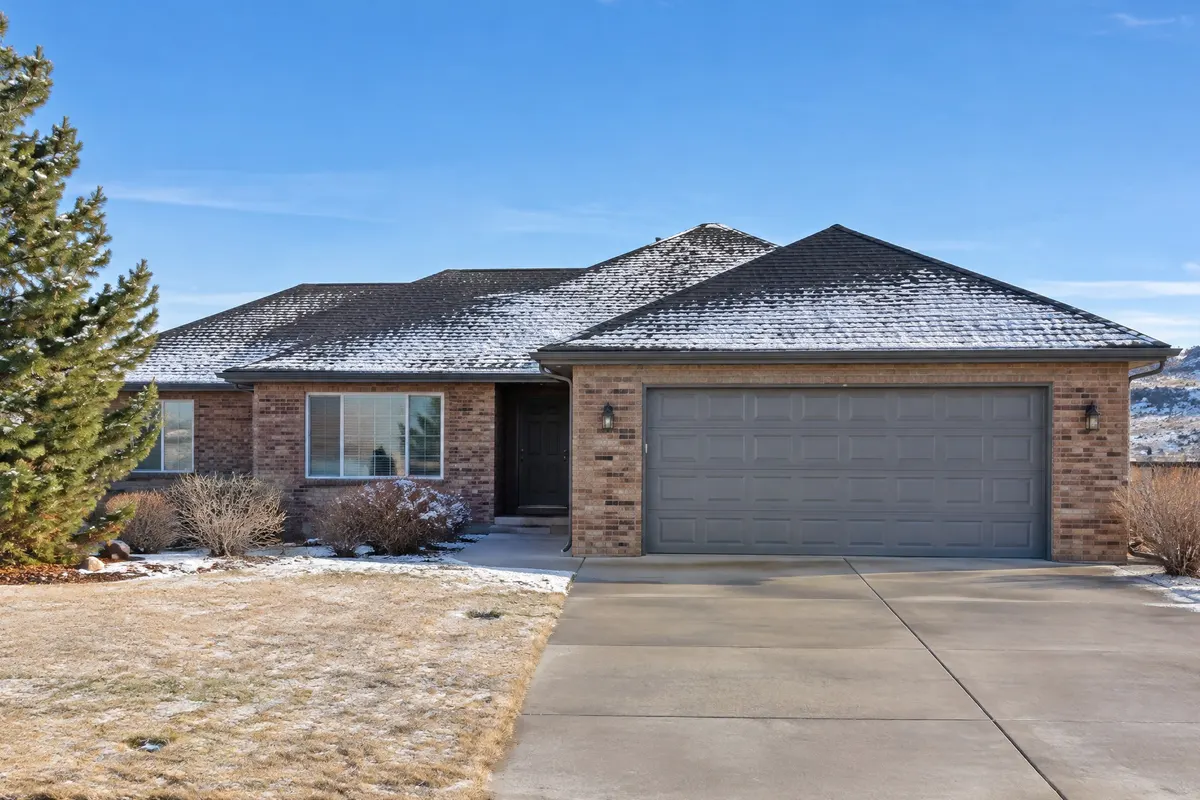
Bend sits at 3,650 feet in a high desert with cold winters, mostly snowy precipitation and a wide gap between day and night temperatures. For a garage door that means a bottom seal that can freeze to the floor, thick lubricant and weaker batteries in winter. Check the seal, rollers and remote in autumn and again after the first hard freeze.
What the Central Oregon climate does
Oregon State University Extension describes Central Oregon as a place where natural precipitation runs from 8 to 22 inches a year, most of it falling in winter as snow. Bend averages about 11.4 inches. The same pages say the region has a wide range of temperature extremes between day and night, and that higher elevations have longer, colder winters. Bend sits at 3,650 feet.
The numbers show the swing. Bend's average January high is about 41 degrees F and its average January low is about 24 degrees F. In July the mean high is about 81.5 degrees F and the mean low is about 47.5 degrees F. Extension also notes there are fewer than 10 frost-free days a year in Bend, in July and August.
A garage door is a large moving assembly of metal, rubber and grease. Freezing nights, wet snow at the threshold and a door that goes through many cold starts are the main stresses to plan for.
What to check, season by season
| Season | What to check | Why it matters |
|---|---|---|
| Autumn | Bottom seal, rollers, lubricant and remote batteries | Get the door ready before the first hard freeze |
| Winter | Ice or packed snow at the threshold before you press the button | A frozen seal can tear if the door is forced |
| Spring | Seal for cracks, track for dirt and grit, any new noise | Snow melt leaves moisture and debris along the bottom |
| Summer | Door balance by hand, sensor alignment, opener travel | Warm days are a good time for a full inspection |
Use this as a checklist. A technician can check springs and cables, which you should not touch.
Frozen to the floor
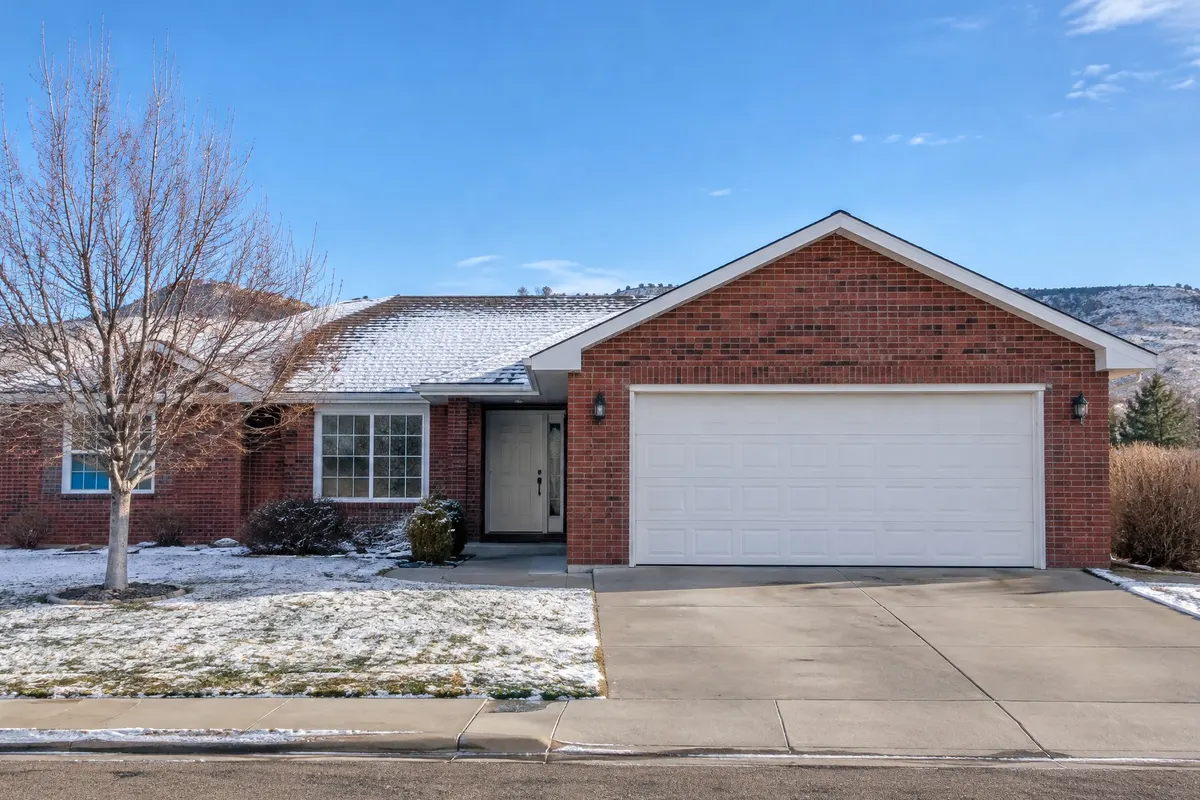
Clopay explains that when the bottom seal sits in water or wet snow that then freezes, the door can freeze to the concrete. Its advice is to chip away the ice or melt it with warm water, raise the door, then clean and dry the area so it does not refreeze. Do not force the door, because that can rip the seal, and do not use ice melt.
Disconnect the opener
Pull the red release handle so the opener cannot strain against the ice.
Clear the ice
Chip it gently or pour warm water along the bottom edge.
Lift the door by hand
If it still resists, stop and call a technician.
Dry the threshold
Wipe or sweep the area so it does not freeze again overnight.
Lubricant, remotes and cold springs
Clopay notes that lubricant can harden and get gunky in the cold, which makes rollers and hinges drag. A silicone-based lubricant suits metal parts, and nylon rollers should not be oiled. A weak remote battery is another common winter complaint, so replace it before blaming the opener.
Clopay says spring wire becomes more brittle and weaker in colder temperatures, which is one reason springs can fail on a cold morning. DASMA says spring systems should be repaired only by trained professionals and cables replaced only by a trained technician. If a spring or cable has broken, stop using the door. See spring repair.
Insulation and the day and night swing
Clopay says an insulated door keeps a garage warmer in winter and cooler in summer, and that insulation matters most when the garage is attached to the house or has living space above it. Its page lists R-values from R-6 to R-20 and above for insulated doors and near R-0 for non-insulated ones. DASMA cautions that a tested whole-door U-factor and a section R-value are not the same measurement, so compare like with like. See new garage doors.
Choosing who repairs it
The Oregon Construction Contractors Board says a license is required for any business that advertises, bids or does construction, alteration, home improvement or repair work, and its website has a lookup. It also advises getting more than one written bid for bigger jobs and not automatically taking the lowest. The FTC adds that a written estimate should describe the work, materials, completion date and price.
Who to call
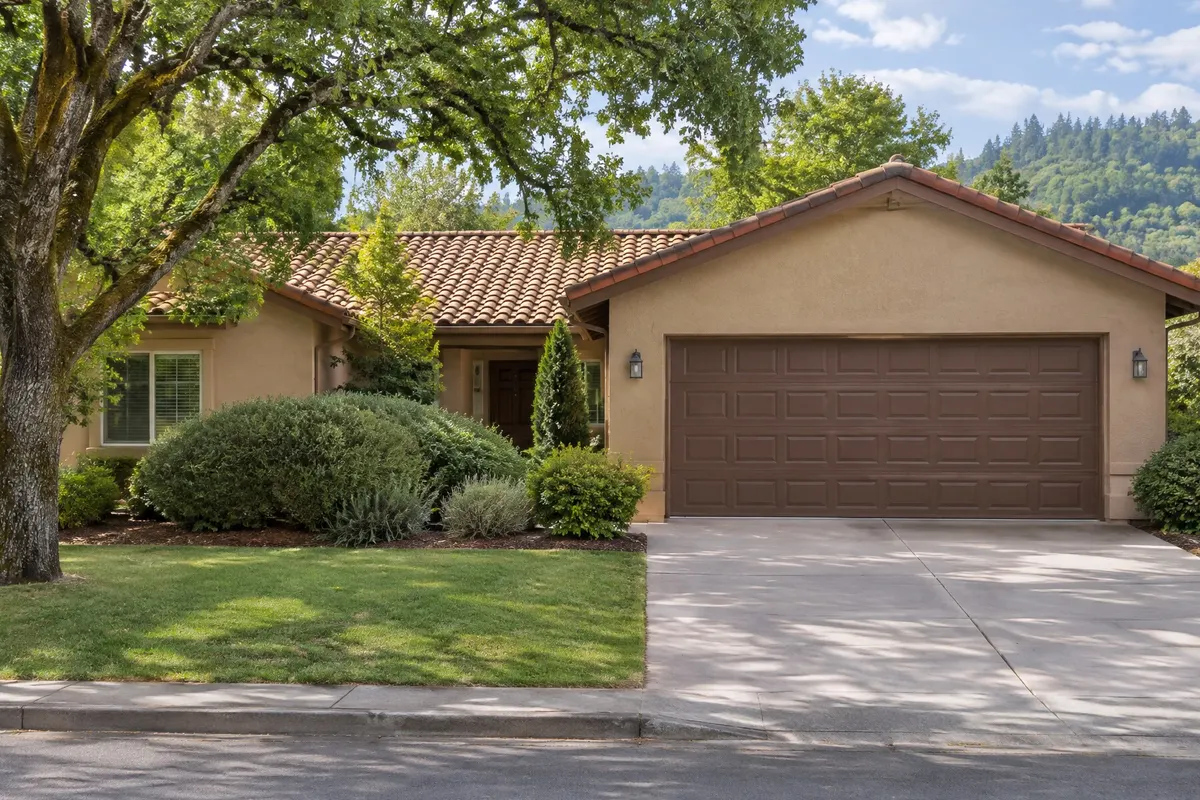
Emil Garage Doors repairs garage doors, springs, cables and openers and installs new doors in Oregon, including Bend, Medford and Eugene. Call or send your details with a photo of the problem, and we book the soonest visit. See also what each fix costs in Oregon.
Questions people ask
Does cold weather break garage door springs in Bend?
Clopay says spring wire becomes more brittle and weaker in the cold, and springs are usually rated for 10,000 cycles. Age and use matter too. If a spring breaks, stop using the door and call a technician.
Why won't my garage door open after a snow in Central Oregon?
The bottom seal may be frozen to the floor. Disconnect the opener, clear the ice gently and dry the threshold. Do not force the door or run the opener against it.
Should I insulate my garage door in Bend?
Clopay says insulation helps most for attached garages and living space above the garage. A technician can compare insulated options for your door size.
How often should I service my garage door?
DASMA recommends monthly safety checks by the owner and an annual visit from a trained door systems technician.
Services that fit this problem
Garage door and gate help near you
We repair and install in these cities. Each page has local notes, prices and reviews.
More guides
Sources
- Oregon State University Extension: Central Oregon's climate and how it relates to gardening (Bend precipitation, temperature, frost and elevation figures)
- Oregon State University Extension: Gardening in Central Oregon's climate (January temperatures, elevation of Bend, day and night range)
- Clopay: Fixing garage door problems from cold weather (frozen bottom seal, lubricant, spring wire, remote batteries)
- Clopay: Insulated vs non-insulated garage doors (R-value ranges, attached garages, comfort)
- DASMA: Garage door systems safety tips (monthly checks, annual service, springs and cables only by trained technicians)
- DASMA technical data sheet 163: U-factor and R-value for residential and commercial garage doors
- Federal Trade Commission: How to avoid a home improvement scam (written estimates, multiple estimates, lowest bidder, payment, blank spaces)
- Oregon Construction Contractors Board: 16 ways to avoid remodeling, repair and construction problems (check a contractor's license, more than one written bid, lowest bid)