Seasonal and weather

Illinois Winter Garage Door Problems and What Causes Them

By Emil Garage Doors · Published November 2, 2026 · 5 min read · Seasonal and weather

Short answer

Most winter garage door trouble in Illinois comes from ice, stiff lubricant, a weak battery or a worn spring. Match what you see to the table below, then run the simple checks. If the door is heavy, crooked, or you heard a loud pop, stop using it and call a technician.

What winter changes on a garage door

A garage door is a heavy, moving machine made of metal, rubber and grease, and cold affects each of those. Water pools under the bottom seal and freezes. Lubricant in the track and on the rollers gets stiff. Remote batteries lose strength. According to Clopay, spring wire also becomes more brittle in colder temperatures, so a spring that is already worn can break.

None of this is unique to Illinois, but long cold stretches, freezing rain and snow melt that refreezes overnight give these problems plenty of chances to show up. The Illinois State Climatologist Office defines an ice storm as freezing rain that leaves a substantial ice build-up, usually 1/4 inch or more. A coating like that can glue a door to its frame.

Match the symptom to the cause

What you seeLikely causeWhat to do
Door will not lift and the bottom edge is stuckSeal frozen to the concreteDo not force it; see how to free a frozen door
Door stops partway or moves roughlyStiff or gummy lubricant on rollers and trackClean and re-lubricate metal parts with silicone lubricant
Opener hums or does nothing, remote is deadWeak remote battery, or an opener problemDisconnect the opener and test by hand, then replace the battery
Door is very heavy, or you heard a popBroken springStop using the door and call for service
Door reverses before it closesSensor misaligned, or snow or ice in the wayClear the sensor area and wipe the lenses

These are common causes, not a diagnosis. We confirm the cause on site.

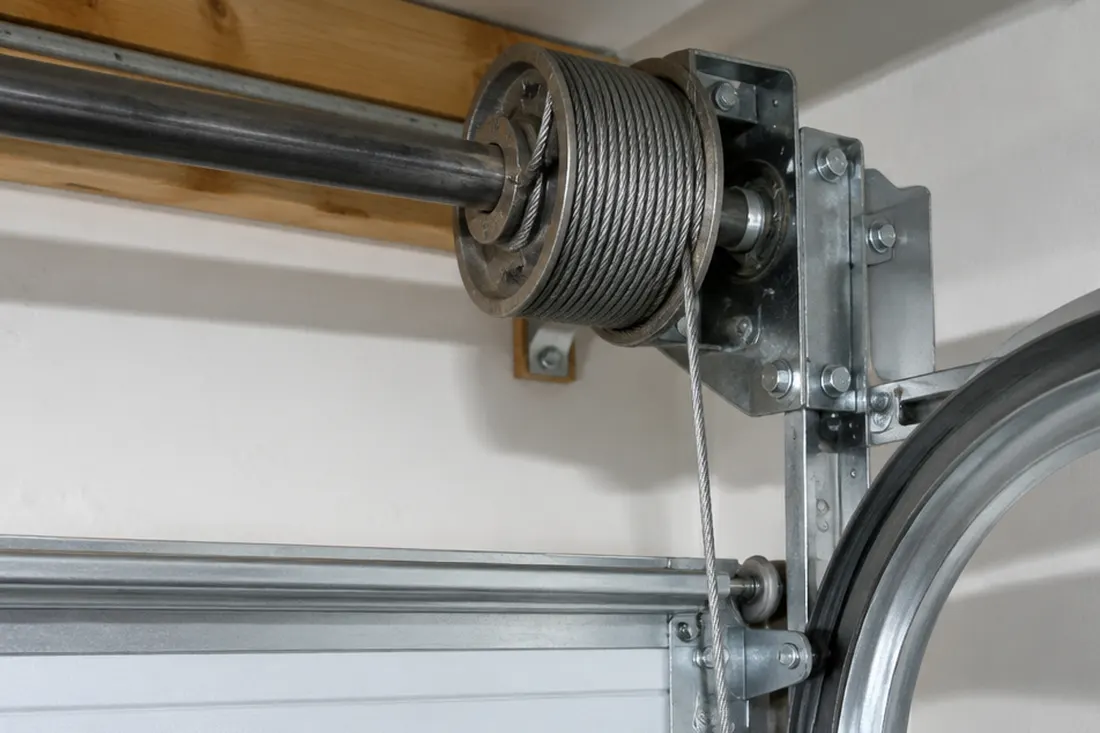
Steel cable wound on a grooved cable drum on a shaft above a garage door track, with the cable running down toward the door, illustrating the garage door winter problems illinois guide, for homes near Jefferson Park, Chicago, Illinois, near Milwaukee Avenue

Four checks you can do safely

  1. Look at the bottom edge of the door. If ice or packed snow ties it to the floor, do not run the opener.
  2. Pull the red release handle only when the door is closed, then lift the door by hand. If it opens, the opener or the remote is the likely problem, not the door.
  3. Replace the remote battery and check that nothing blocks the two safety sensors near the floor.
  4. Look at the roller and track area for hardened grease. Wipe it off and use a silicone-based lubricant on the metal parts. Clopay warns against WD-40 in cold weather and against lubricating nylon rollers.

If the door will not move by hand, or it feels much heavier than it did in fall, stop there. That points to the springs or cables, and those are not a home repair.

Why a spring can break in the cold

Clopay says garage door springs are usually rated for 10,000 cycles, and that a spring in a home with daily use that has never been replaced should be replaced once it is 7 or more years old. One cycle is one open and one close. A busy household can add several cycles a day, so a spring can wear out without warning.

Cold does not break a healthy spring by itself, but it adds stress to one that is already tired. If you heard a bang from the garage, or you see a gap in the coil above the door, see spring repair.

When to stop and call

Do not repair springs or cables yourself

Springs and lift cables hold the full weight of the door under tension. Do not adjust, wind or remove them, and do not keep running the opener on a door that is heavy, crooked or off track. Disconnect the opener, keep people clear and call a technician.

A technician checks the springs, cables, rollers, track and opener together, because a problem in one part often stresses the next. See garage door repair and opener repair for what is covered.

Keep winter trouble from coming back

  • Sweep or squeegee water away from the bottom edge before a freeze.
  • Replace a cracked or flattened bottom seal; see bottom seal replacement.
  • Keep ice melt off the door, because Clopay notes it can damage metal doors.
  • Test the auto-reverse feature and the sensors before the cold season.
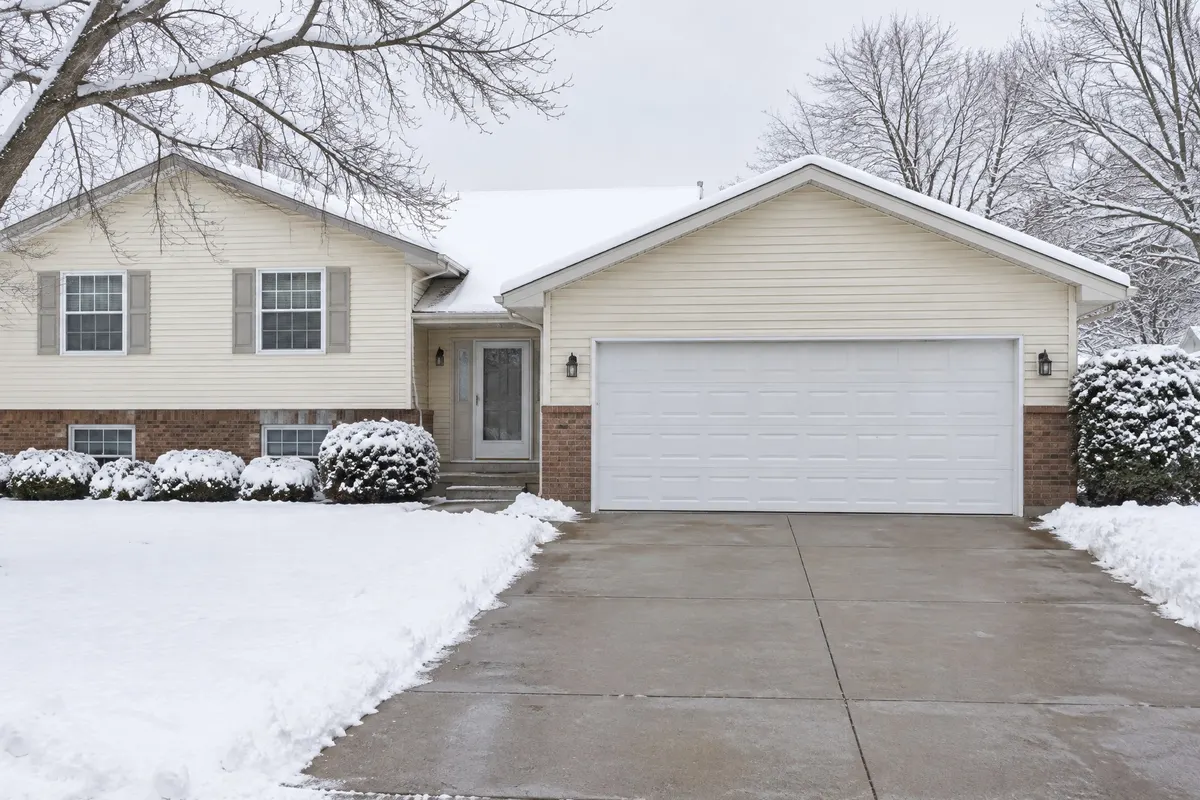
Winter: cream-sided split-level with a brick base, a snowy roof, a cleared driveway, a white long-panel two-car garage door and a leafless oak, illustrating the garage door winter problems illinois guide, for homes near north Berwyn, Illinois, near Ridgeland Avenue

Who to call

Emil Garage Doors repairs garage doors, springs, cables and openers and installs new doors in Illinois, including Berwyn, Chicago and Cicero. Call or send your details and a photo, and we book the soonest visit. We will tell you in plain words what failed and what the repair involves.

Questions people ask

Why will my garage door not open when it is cold?

The usual causes are a bottom seal frozen to the floor, stiff lubricant, a weak remote battery or a broken spring. Disconnect the opener when the door is closed and try lifting by hand to see which side the problem is on.

Can cold weather break a garage door spring?

Clopay says spring wire becomes more brittle in colder temperatures. A spring that is already worn is the one most likely to fail, so age and use matter as much as temperature.

Is it safe to force a stuck garage door in winter?

No. Forcing a door that is frozen down can tear the bottom seal, bend a section or strain the springs and opener. Free the ice gently first.

Should I use WD-40 on a cold garage door?

Clopay advises against it in cold weather. A silicone-based lubricant on the metal parts is the usual choice, and nylon rollers should not be lubricated.

Need it looked at?

Call (312) 620-1952 or send your details for the soonest visit.

Call (312) 620-1952