
If an opener stops partway or runs slowly on hot afternoons, do not assume the heat is the cause. A heavy or unbalanced door, a bad sensor alignment, a loose chain or belt and worn rollers also make an opener struggle. Disconnect the opener, test the door by hand and read your manual. Call a technician if the door feels heavy.
Quick answers
Can heat make a garage door opener stop working?
It may be a factor, but a heavy or unbalanced door, a misaligned sensor or worn rollers are more common causes. Your owner's manual lists the operating conditions for your model.
Why does my opener stop halfway up or down?
The door may be binding or out of balance, a sensor may be blocked, or a force setting may be too low. Disconnect the opener and test the door by hand first.
Is it safe to keep pressing the button?
No. If the opener hums and the door does not move, or the door is heavy by hand, stop. A broken spring or cable needs a technician.
How do I find my opener's model number?
DASMA says to look on the back of the power unit. With the model number, the manual and the maker's support page list the settings and conditions for your opener.
The full explanation
What people notice
Owners describe the same few things: the opener hums and stops, the door reverses on the way down, the motor runs slower than it used to, or it works in the morning and struggles in the afternoon. Heat can be part of the story, but it is rarely the whole story.
We did not find a published figure for how hot a garage must be before a given opener struggles. Your owner's manual is the place for that: it lists the operating conditions and the duty rating for your model, and the model number is on the back of the power unit.
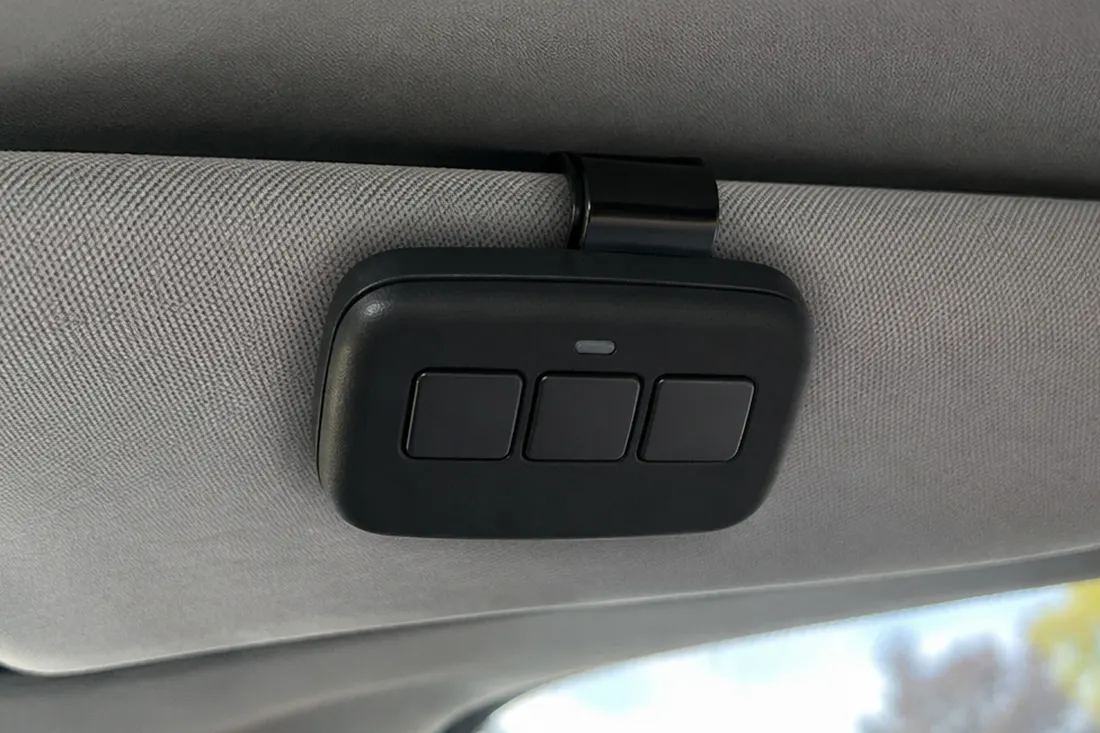
Symptoms and likely causes
| Symptom | Likely causes | First check |
|---|---|---|
| Stops partway, then works after a rest | A heavy or unbalanced door, a hot motor, a force setting that is too low | Balance test by hand |
| Door reverses on the way down | Sensor misaligned or blocked, an obstruction, a binding door | Wipe the sensor lenses and check the light |
| Hums but the door does not move | A broken spring, a disconnected trolley, a stripped drive gear | Do not keep pressing the button |
| Slow or jerky travel | Dry or worn rollers and hinges, a loose chain or belt | Look and listen with the opener disconnected |
| Remote works close to the door only | Weak battery in the remote, interference | Replace the remote battery |
Opener designs differ. The manual for your model is the final word.
Check these in order
- Pull the red release handle so the door is disconnected from the opener.
- Lift the door by hand. DASMA says it should move freely and stay partly open, about 3 to 4 feet above the floor. A door that feels heavy or drops is out of balance.
- If the door is heavy or drops, stop. Do not run the opener and do not touch the springs.
- If the door balances, look at the rollers, the hinges and the track for dirt, dryness or a bent spot.
- Reconnect the opener and wipe both sensor lenses. DASMA says the photo eye should be no higher than 6 inches above the floor.
- Run the door three or four times, resting between cycles, and note where it stops.
Why the door matters more than the heat
An opener is meant to move a door that the springs have already balanced, which is what the hand test above checks. If the springs have weakened or a track binds, the opener has to do work the springs should be doing, and a motor asked to do that is under more strain.
If the balance test fails, the repair is on the door side: see spring repair. If the door passes and the opener still stops, see opener repair.
Keep the opener cool, the sensible way
- Do not cycle the door many times in a row to test it. Let the opener rest between tries.
- Keep the power unit clear of boxes and stored items so air can reach it, and read the manual for any clearance it asks for.
- Do not bypass a sensor or tape over a safety feature to make the door close.
- If the opener has a thermal cutoff, the manual for your model will say how it resets. We did not find one rule that covers every brand.
When to stop and call
A door that is heavy, drops when released or sits crooked can fall. DASMA says springs and cables should be repaired only by trained technicians. Stop using the door and call.
Also call if the opener fails the auto-reverse test, which DASMA describes as a door that should stop and reverse when it touches a 2x4 board laid flat in its path.
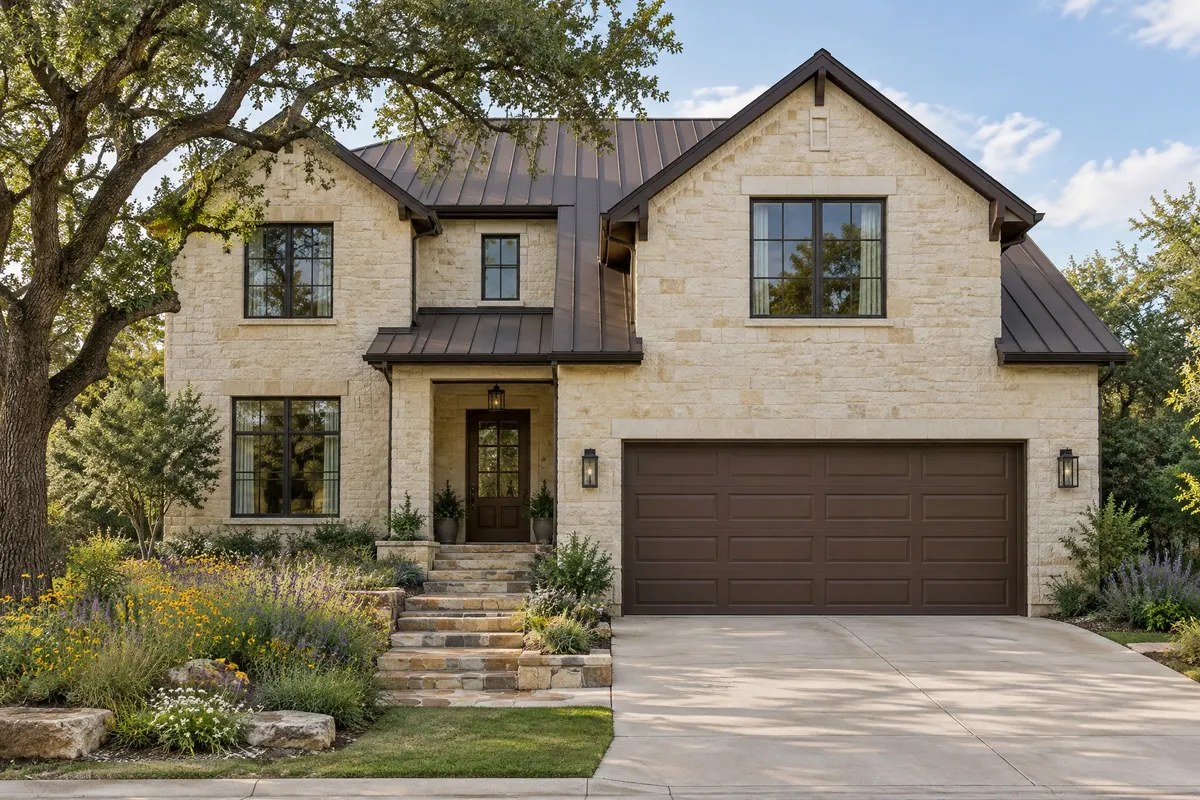
Who to call
Emil Garage Doors repairs garage doors, springs, cables and openers and installs new doors in Texas, including Carrollton, Fort Worth and Grand Prairie. Call or send your details and tell us the opener brand if you know it. See summer heat and your garage door for the rest of the door.
Our related services
Cities near you
We repair and install in these cities. Each page has local notes, prices and reviews.