
A non-insulated steel 16x7 door costs $1,400 to $2,400, and an insulated steel 16x7 door costs $1,800 to $3,600. Carriage house, wood and glass doors cost more. Size, material, insulation, windows and color set the price, and we confirm the final price after we see the opening.
New garage door prices
These are our approved ranges. They are not a quote: the door, the opening and the hardware decide the final price.
| Door | Price | What affects it |
|---|---|---|
| Steel door, non-insulated, 16x7 | $1,400 to $2,400 | Size, color and windows |
| Insulated steel door, short panel, 16x7 | $1,800 to $3,400 | Insulation, windows and color |
| Insulated steel door, long panel, 16x7 | $1,800 to $3,600 | Insulation, windows and color |
| Single steel door, 9x7 | $1,100 to $2,200 | Insulation, windows and color |
| Carriage house door, steel | $2,200 to $4,500 | Hardware, windows and color |
| Carriage house door, wood-look composite | $2,800 to $5,500 | Overlay style, windows and finish |
| Real wood door | $3,500 to $9,000 and up | Wood species, finish and design |
| Modern flush or contemporary door | $3,500 to $9,000 | Material, glass and finish |
| Full-view aluminum and glass door, 16x7 | $4,500 to $9,000 | Glass type and frame color |
Prices reviewed November 2026. Not a quote for your door.
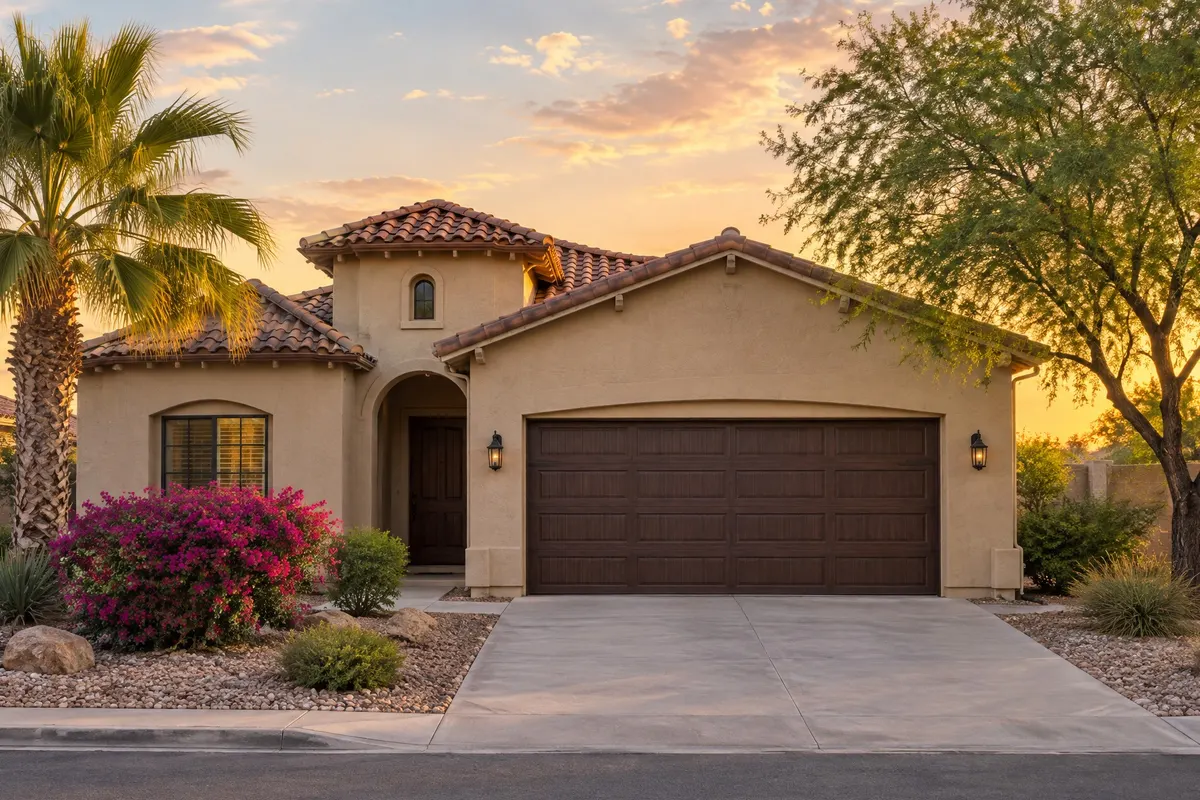
What moves the price
- Size: a 16x7 two-car door costs more than a 9x7 single door.
- Material: steel costs less than composite, wood or full-view aluminum and glass.
- Insulation: DASMA defines an insulated door as one with sections that contain insulating material. More insulation usually means a higher price.
- Windows and glass: an insulated glass upgrade adds $400 to $1,200.
- Color and finish: a custom color adds $300 to $1,200.
- Custom size or special order: add 20% to 40%, and the lead time is 4 to 8 weeks.
How to compare insulation numbers
Two different numbers describe garage door insulation, and DASMA says they cannot be compared with each other. A calculated R-value describes a door section only. A tested U-factor describes the whole installed door, including joints, hardware and seals. A higher R-value is better, and a lower U-factor is better.
When two quotes list insulation, ask which kind of number each one is. Compare R-values with R-values and U-factors with U-factors.
Wind and building rules
Some areas set a design wind load for garage doors, and DASMA publishes a separate inspection guideline for wind load rated doors. Ask the installer whether your door needs a wind rating and have the rating written on the quote. Your city building department and your HOA documents say what applies to you; see HOA and city rules.
What a quote should list
- Door model, size, color and window layout
- Insulation type and whether the figure is an R-value or a U-factor
- Track, springs, hinges and weatherstripping, and whether they are new
- Removal and disposal of the old door
- Opener work, if any, listed on its own line
- Lead time for a special order
A quote that lumps everything under one number is hard to compare. See new garage doors for the styles we install.
Who to call
Emil Garage Doors repairs garage doors, springs, cables and openers and installs new doors in Texas, including Georgetown, Round Rock and Austin. Call or send your details with a photo of the door and the opening and we book a visit.
Questions people ask
How much does a new garage door cost?
A non-insulated steel 16x7 door costs $1,400 to $2,400. An insulated steel 16x7 door costs $1,800 to $3,600, and a single 9x7 steel door costs $1,100 to $2,200. Carriage house, wood and glass doors cost more.
How long does it take to install a new garage door?
It depends on the door, the track and whether an opener is replaced, so we tell you when we book the visit. A special order or custom size has a lead time of 4 to 8 weeks before installation.
Is an insulated garage door worth the extra cost?
Insulated steel doors start at $1,800 for a 16x7 door, against $1,400 for non-insulated. Whether it pays off depends on your garage, so ask which insulation figure the maker lists.
What is the difference between R-value and U-factor?
DASMA says an R-value is calculated for a door section, and a U-factor is tested on the whole installed door. They are not reciprocals and cannot be compared with each other.
Services that fit this problem
Garage door and gate help near you
We repair and install in these cities. Each page has local notes, prices and reviews.
More guides
Sources
- DASMA Technical Data Sheet 163: U-factor and R-value for Residential and Commercial Garage Doors
- DASMA Technical Data Sheet 160: Sectional Garage Door Terminology (cycle, high cycle spring, jackshaft-type operator)
- DASMA Technical Data Sheet 151: General Code Inspection Guidelines for Sectional Garage Doors