
Insulation pays off most when the garage is attached or heated, or sits under a bedroom. R-value rates the insulation in one door section, not the whole door, so compare U-factor when a maker lists it and look at the seals. No single number fits every Massachusetts garage; match the door to how you use the space.
What R-value measures
ENERGY STAR defines R-value as a measure of insulation's ability to resist heat traveling through it: the higher the number, the better the thermal performance of the insulation. That is the whole definition. It says nothing yet about a finished garage door, which has joints, hinges and a seal.
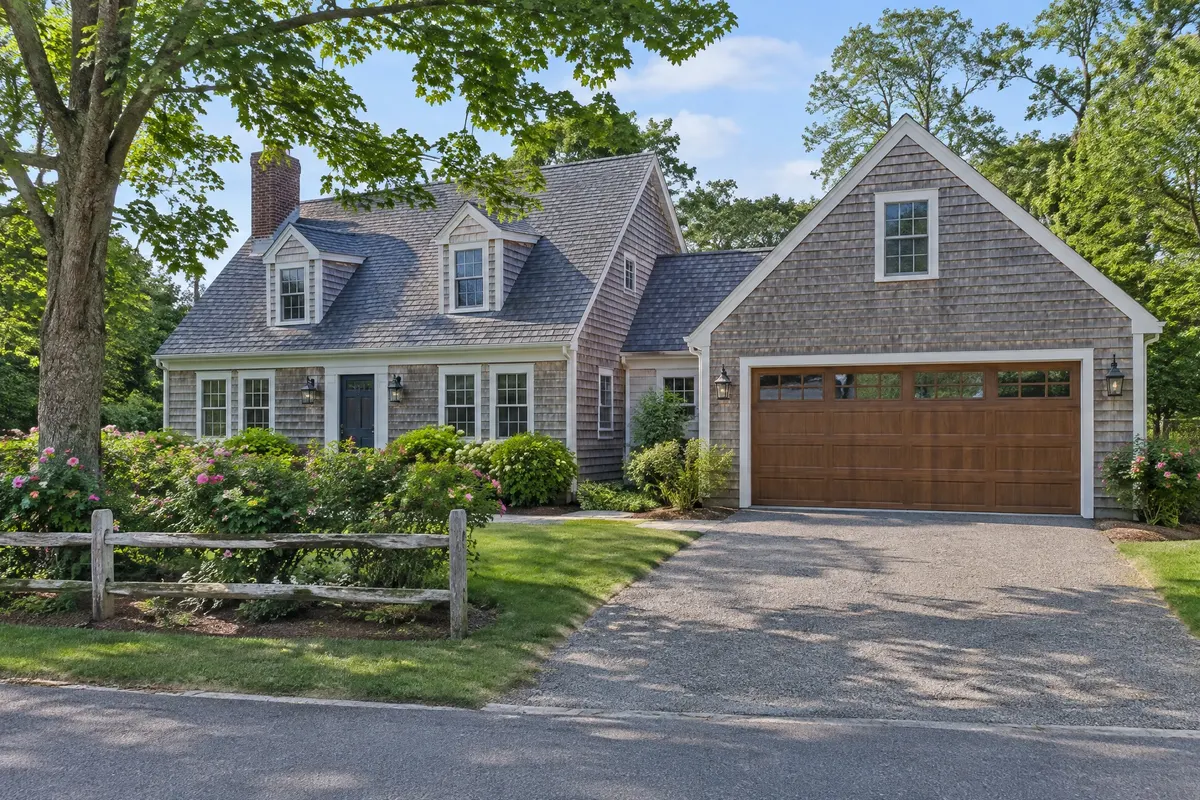
Myth: the R-value on the label is the door's R-value
Fact: DASMA, the garage door manufacturers' association, says the R-value for a garage door is calculated for one door section and does not account for the joints between sections or the stiles. Its data sheet says the method should not be used for the garage door assembly itself.
DASMA also describes U-factor, which comes from testing a complete installed door. A lower U-factor is better. DASMA says the two numbers are not comparable and are not reciprocals of each other. If a maker lists both, ask which one is tested.
Myth: Massachusetts needs the highest R-value on the shelf
Fact: the Department of Energy's county guide lists every Massachusetts county, from Suffolk to Berkshire, in the Cold climate zone 5A. Boston, Pittsfield, Amherst and Westfield share a zone in that guide, and the guide does not set a garage door rating. Whether any number applies to your project is a question for your town's building department.
Winters still differ. NOAA says lows run below 20°F in the west and near 30°F near the coast, so an attached garage in western Massachusetts gets a harder test than one near the water.
Myth: an insulated door will heat the garage
Fact: a door slows heat loss; it does not make heat. A garage with no heat stays cold. The gain is for the rooms next to and above it and for the person working in a garage that is conditioned. Mass Save, the state's efficiency program, lists a garage ceiling job (dense-packed cellulose) because it helps improve comfort in the heated rooms above the garage. If a bedroom sits over the garage, the ceiling and the door both matter.
DASMA notes that weather seals and thermal breaks resist heat flow, while section joints and stiles can act as a shortcut around the insulation. A drafty seal can cost more than a lower R-value. See insulated garage doors for Massachusetts winters.
Quick facts
| Question | Short answer |
|---|---|
| Is a higher R-value better? | Yes, for the insulation itself (ENERGY STAR) |
| Does the label rate the whole door? | No, an R-value covers one section (DASMA) |
| What is U-factor? | A tested rating of the complete door; lower is better (DASMA) |
| Can I compare R-value and U-factor? | No, they are not comparable (DASMA) |
| Which climate zone are Massachusetts counties in? | Cold, zone 5A (Department of Energy guide) |
Always read the maker's own rating sheet.
What an insulated door costs
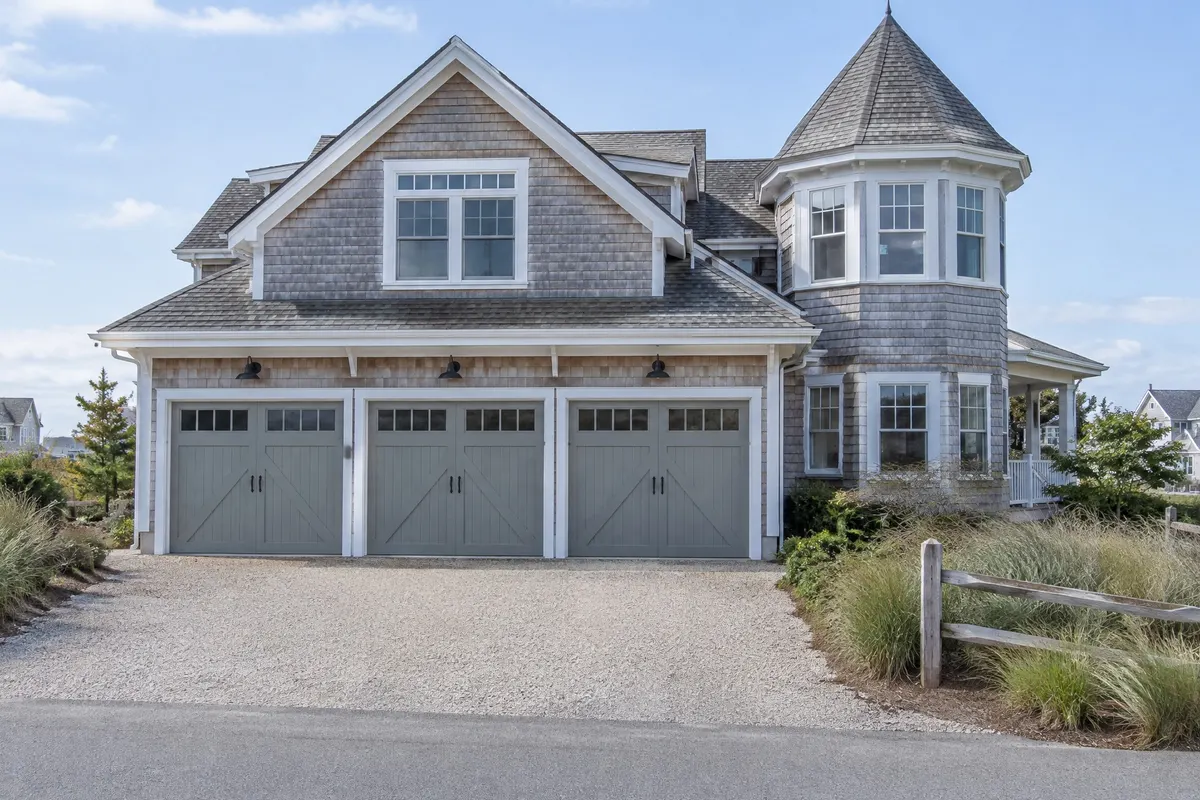
Approved prices for a 16x7 steel door installed: non-insulated $1,400 to $2,400, insulated short panel $1,800 to $3,400 and insulated long panel $1,800 to $3,600. Size, windows and color move the number, and the final price is confirmed after we see the door. See new garage doors and what a new garage door costs in Massachusetts.
Who to call
Emil Garage Doors installs new doors and repairs garage doors, springs, cables and openers in Massachusetts, including Westfield, Amherst and Pittsfield. Call or send your details and tell us if the garage is attached, heated or under a bedroom, and we recommend a door that fits.
Questions people ask
Do I need an insulated door if my garage is detached?
A detached, unheated garage usually gains less from insulation. A well-sealed, solid door may matter more. If you work in the garage or heat it, insulation helps.
What R-value should I choose?
There is no single number for every home. Compare U-factor when the maker lists it, ask which rating is tested, and think about how the garage is used.
Is R-value the same as U-factor?
No. DASMA says R-value is calculated for a door section and U-factor is tested on the whole door. They are not comparable.
Does the bottom seal matter as much as insulation?
It matters a lot. DASMA says weather seals resist heat flow, and gaps let cold air in whatever the R-value.
Services that fit this problem
Garage door and gate help near you
We repair and install in these cities. Each page has local notes, prices and reviews.
More guides
Sources
- DASMA Technical Data Sheet 163: U-factor and R-value for residential and commercial garage doors
- U.S. Department of Energy Building America: Guide to determining climate regions by county (Massachusetts counties)
- ENERGY STAR: Recommended home insulation R-values (definition of R-value)
- Mass Save: Weatherization upgrades (garage ceiling cellulose)
- NOAA State Climate Summaries: Massachusetts (winter lows, snowfall, nor'easters, coastal storms, sea level)