
Southern Utah heat wears on seals, finishes and moving parts, and an uninsulated garage can run hotter than the air outside. Check the seals and finish before summer, lubricate the right parts, and look at the opener and sensors after the hottest months. A door that is heavy, noisy or crooked needs a technician, not more lubricant.
How hot it gets
A National Weather Service report to the National Centers for Environmental Information confirms that a high of 117 degrees F was recorded at the St. George cooperative observer station on July 10, 2021, tying the all-time Utah maximum. That is the extreme, but it shows what the area can reach.
Heat does not only affect people. A garage door is a large panel of metal, rubber and plastic that sits in the sun, and it has moving parts that carry heavy loads.
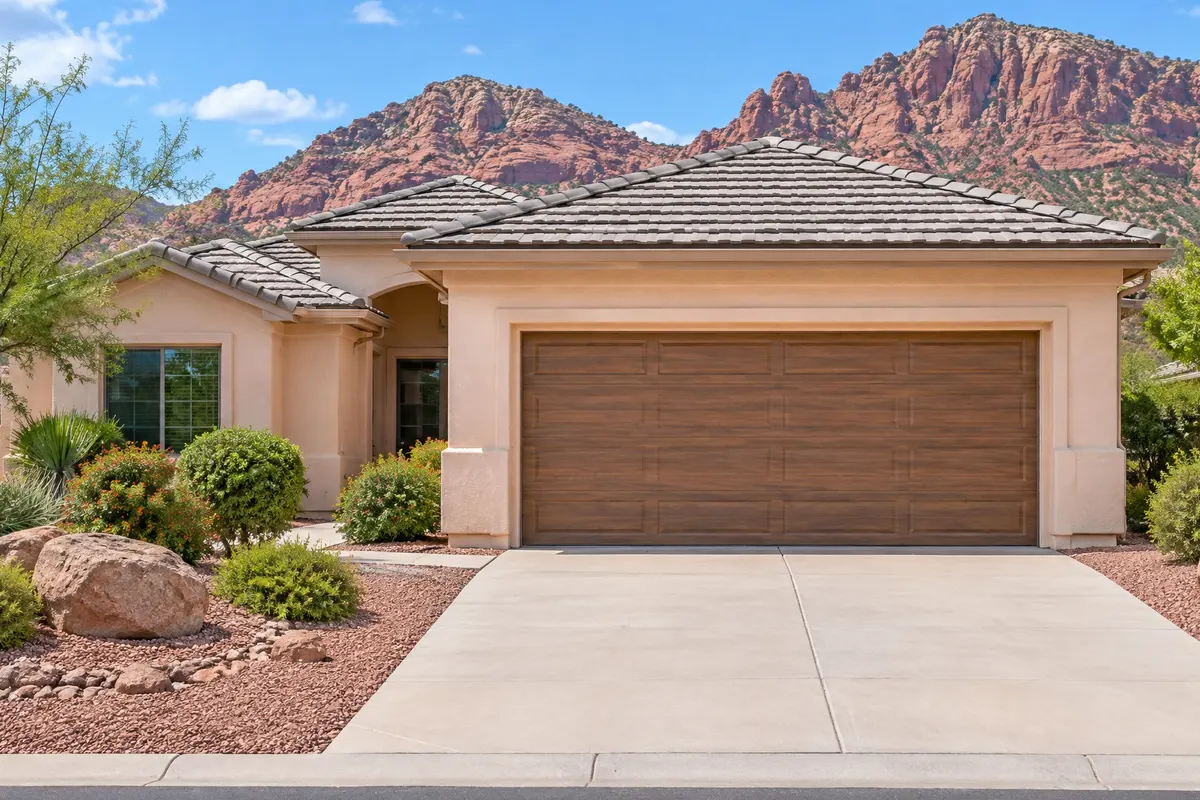
What heat does to a garage door
Clopay, a door manufacturer, says expansion and contraction from heat cycles stress both seals and hardware, and that UV exposure fades finishes and can crack weatherstripping. It also says an uninsulated garage can run 20 degrees F or more above the outside temperature, and may reach 120 degrees F or worse in peak periods.
We did not find one published temperature limit that covers every opener. If your garage gets very hot, check the opener's manual for its operating range, and mention the heat when you call. Heat is one reason to keep the opener, sensors and wiring on your summer checklist.
What to check by season
| Season | Check | Why |
|---|---|---|
| Spring | Seals, finish, rollers and hinges | Clopay advises inspecting seals and finishes before summer |
| Summer | Door balance, noise, sensor alignment | Watch for new heaviness, squeals or a door that reverses |
| Early fall | Seals, lubricant and wear after the hottest months | Clopay suggests reassessing seals and lubrication after summer |
| Winter | Bottom seal, ice at the floor, remote batteries | Cold nights still happen; see Utah snow and garage doors |
A simple checklist, not a service schedule.
Jobs this weather points to
- A cracked or stiff bottom seal or side seal. See garage door repair.
- Rollers and hinges that need cleaning and the right lubricant. Clopay says to use silicone-based products and to leave nylon rollers dry.
- A heavy door or a loud pop: a spring that needs a technician. See spring repair.
- An opener that stops, hums or reverses. See opener repair.
- A faded or worn door that is better replaced. See new garage doors.
Do not adjust, wind or remove a spring and do not loosen a cable, whatever the season. Stop using a door that is heavy, crooked or off its track.
Insulation for a hot garage
For hot climates, Clopay suggests at least R-12 and preferably R-15 or higher. It also says polyurethane insulation holds up better than polystyrene in a thinner profile, and that powder-coated finishes resist UV and fading better than ordinary paint. Those are one manufacturer's views, so ask any seller for the R-value, the finish and the warranty terms in writing before you decide.

How to choose a repair company
- Ask for a written quote that lists each part, the spring type and cycle rating, and the labor.
- Ask whether both springs are replaced and why.
- Ask what happens if the door needs more than the quote covers, and who confirms the final price.
- Ask for photos of the damaged part.
- Be careful with anyone who asks you to adjust a spring or cable yourself.
Who to call
Emil Garage Doors repairs garage doors, springs, cables and openers and installs new doors in southern Utah, including St. George, Washington, Hurricane and Cedar City. Call or send your details with a photo and we book the soonest visit. We can tell you in plain words what the heat has done and what a repair involves.
Questions people ask
Can heat damage a garage door?
Yes. Clopay says heat cycles stress seals and hardware and UV can fade finishes and crack weatherstripping. Check seals and finish before summer.
How hot can a garage get in summer?
Clopay says an uninsulated garage can run 20 degrees F or more above outside temperatures and reach 120 degrees F or worse at peak. Your garage may differ.
Does heat affect a garage door opener?
Very hot garages can be hard on electronics. Check your opener's manual for its operating range, and tell a technician if the opener stops or hums in the heat.
What insulation should a garage door have in a hot climate?
For hot climates Clopay suggests at least R-12, and R-15 or higher is preferred. Ask for the R-value and the finish in writing.
Services that fit this problem
Garage door and gate help near you
We repair and install in these cities. Each page has local notes, prices and reviews.
More guides
Sources
- National Weather Service Salt Lake City and NCEI: Potential record-tying Utah maximum temperature at St. George
- Clopay: Energy-efficient garage doors for hot climates (heat, seals, UV, lubricant, garage temperature)
- Clopay: How to properly lubricate garage door components (tracks, nylon rollers, lubricant type, interval)