
Canyon winds on the Wasatch Front can reach highway-closing speeds, and a garage door is the largest opening in the wall they push on. Close and secure the door before a wind event, do not run it during the wind, and check the door, track and mounting afterward. A door that scrapes, hangs crooked or has bent sections needs a technician.
What canyon winds are
Downslope winds, often called canyon winds, are strong winds that pour down the mountain slopes toward the valley. A KSL report on a National Weather Service warning explains the setup: a stalled low-pressure system produced strong easterly downslope winds. The warning covered Davis and Weber counties, including Ogden and Bountiful, with sustained winds of 35 to 45 mph and gusts of 65 mph or more.
The National Weather Service Salt Lake City office lists two Wasatch Front downslope windstorms in its spotter training. On December 1, 2011, a 102 mph gust was recorded in Centerville. On September 8, 2020, a 99 mph gust hit Farmington, with nearly 200,000 power outages and 50 semi trailers overturned. These are the extreme cases, not the normal day.
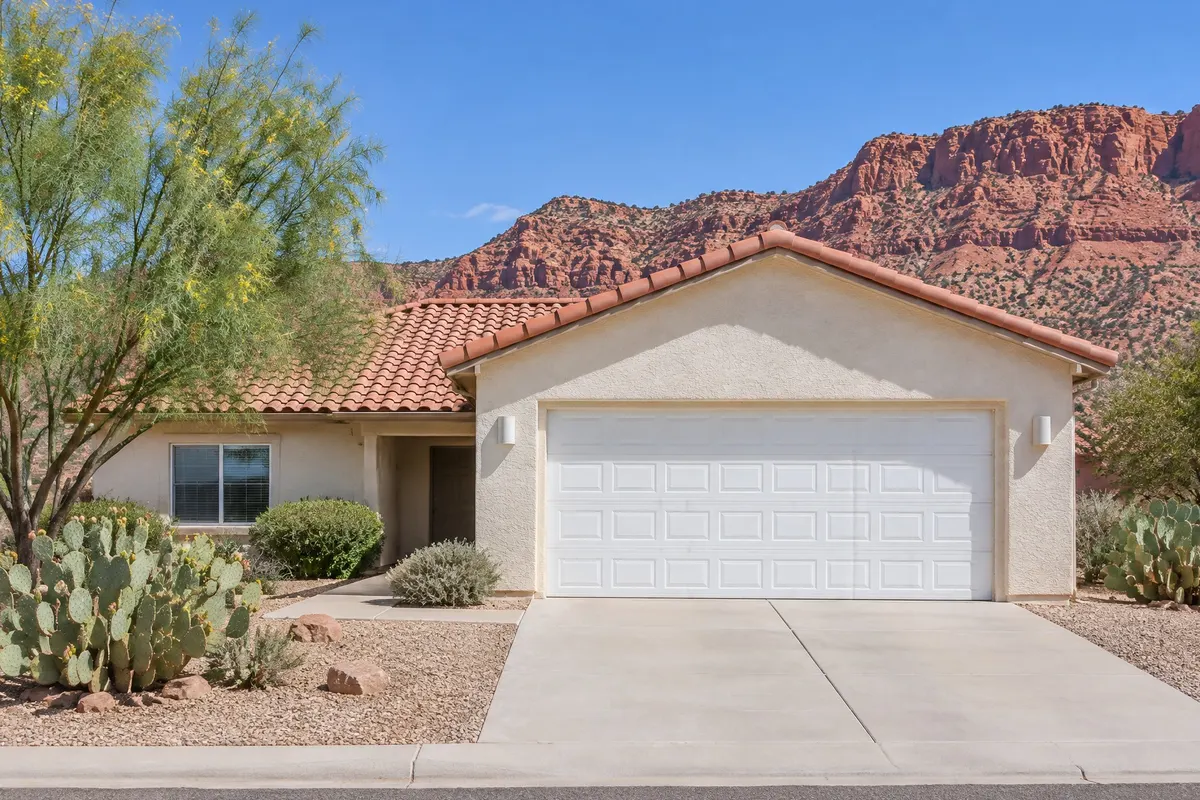
Why the garage door matters
DASMA, the garage door industry association, points out that garage doors sit in the largest openings of a building. A door can be blown into the garage or pulled out of its opening, so both pushing and pulling pressure ratings matter.
The door is only part of the system. DASMA says the attachment of the door track and the door jamb to the structure is just as critical as the strength of the door itself. If wind has loosened a track bracket or bent a section, the whole opening is weaker for the next storm.
Before the wind
- Close the door and make sure it is fully latched or secured, as DASMA advises before a high wind event.
- Do not park a vehicle against the door. DASMA says this does not reinforce the door and may damage both.
- Do not add braces or weight yourself. DASMA warns that non-manufacturer reinforcement can overload the track and springs.
- Clear loose items from the driveway so they cannot hit the door.
DASMA does not recommend operating garage doors during high wind events. The extra force needed to move the door can injure you or damage it. Wait for the wind to ease.
After the wind: what to check
| Part | What to look for | If you see it |
|---|---|---|
| Panels | Dents, creases or a section bowed in the middle | Photograph it and stop using the door |
| Track and brackets | Gaps from the wall, bent track, loose bolts | Do not run the door; call for service |
| Hinges and rollers | Bent hinges, rollers out of the track | Call for service |
| Seal and trim | Torn bottom seal, loose side trim | Replace the seal; see garage door repair |
| Opener | Rail bent, chain or belt off, limits shifted | Disconnect it and call for service |
Check with the door closed and the opener disconnected.
A steady check once the wind is gone
Look from outside
Walk the door and note dents, gaps and any section that bows.
Look from inside
Check track brackets, hinges and the wall around the opening.
Disconnect the opener
Pull the release handle with the door closed so the opener cannot push a damaged door.
Try the door by hand
A sound door moves smoothly. If it scrapes, jerks or feels very heavy, stop.
Photograph what you find
Take dated photos before anything is moved, in case you need them for a claim.
When to call a technician
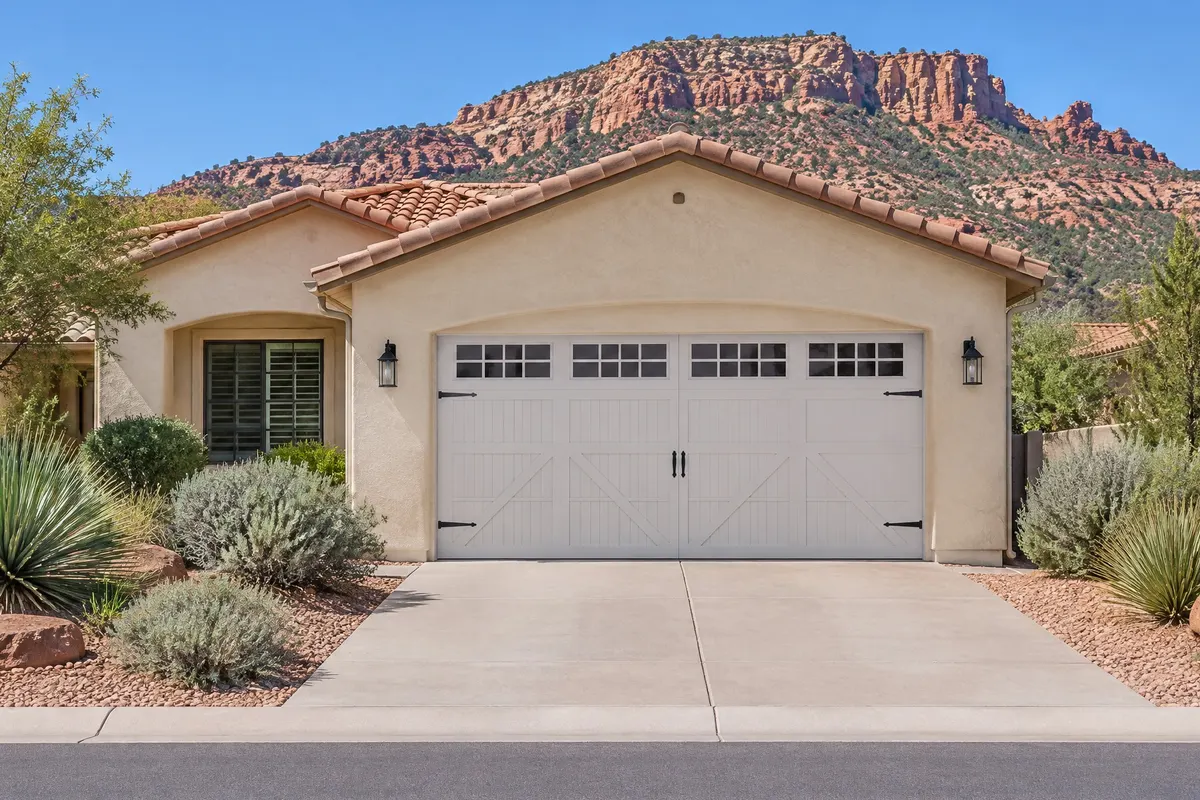
Call when a section is bent, the track has pulled from the wall, a roller has left the track or the door will not stay up. Do not adjust springs or cables yourself. See spring repair for the parts that carry the door's weight.
If you are unsure whether your door can handle high winds, DASMA suggests asking a design professional to evaluate both the door and the frame around the opening. A wind-rated replacement is an option: see new garage doors.
Who to call
Emil Garage Doors repairs garage doors, springs, cables and openers and installs new doors in Utah, including Bountiful, Ogden and Logan. Call or send your details with a few photos and we book the soonest visit. Related reading: Utah snow and garage doors.
Questions people ask
Can wind damage a garage door?
Yes. Strong wind can bow panels, bend sections, loosen track brackets and push a door out of its track. DASMA says a door is subject to being blown in or pulled out of the opening.
Should I open my garage door during high wind?
No. DASMA does not recommend operating garage doors during high wind events because the extra force can injure you or damage the door.
Should I park a car against the garage door in a storm?
DASMA says this is not recommended. It does not reinforce the door and may damage the vehicle and the door.
What should I check after a windstorm?
Look at the panels, track, brackets, hinges and rollers, disconnect the opener and try the door by hand. If it scrapes, hangs crooked or feels heavy, stop and call a technician.
Our related services
Cities near you
We repair and install in these cities. Each page has local notes, prices and reviews.
Read next
Sources
- National Weather Service Salt Lake City: Weather Spotter Training 2025 (Wasatch Front downslope windstorms, snow squalls)
- DASMA Technical Data Sheet 152: Garage Doors and High Wind Events
- KSL: High wind warning and advisories as easterly downslope winds return (National Weather Service warning for Davis and Weber counties)